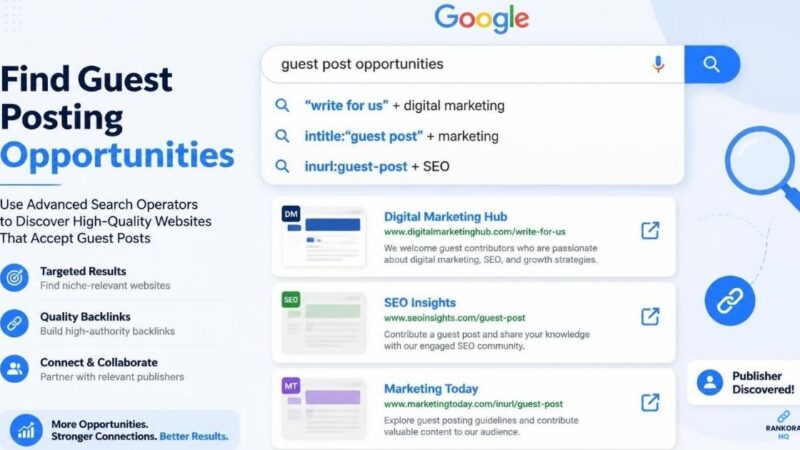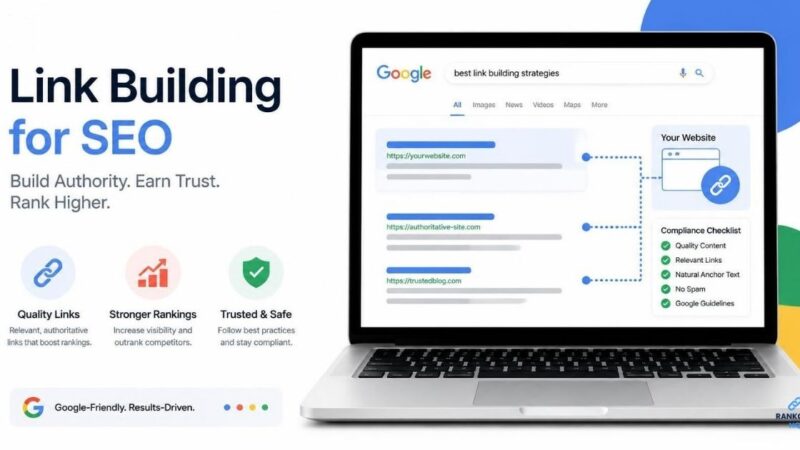
Yes, guest posting still works in 2026, but only when the placement is relevant, editorially sound, and built for more than a quick backlink. From my experience working with publishers and SEO agencies, the real question is no longer simply does guest posting still work. It is whether the site, content, link placement, and target page are strong enough to create genuine SEO value.
The days of publishing thin articles across dozens of high-DR websites and expecting rankings to jump are largely gone. Does guest posting still work when you focus on real traffic, topical relevance, natural anchors, and useful content? Yes. In this guide, I’ll explain where guest posting still delivers results, where it fails, the risks to watch, and what realistic SEO teams should expect from it in 2026.
Does Guest Posting Still Work in 2026? The Short Answer
Yes, guest posting still works in 2026, but the old volume-first approach is much less reliable. The strongest results now come from relevant publishers, useful content, natural link placement, and clear editorial standards.
From what I see in outreach and content placement work, one good placement on a real, active site is usually more valuable than several weak placements chosen only for metrics. I write also a guide about link insertion so if you want can read.
Yes, but Quality Matters More Than Volume
Guest posting is still effective when the link appears on a site that is relevant to your niche and has genuine search visibility. A high DR score alone is not enough.
I look at the full picture: topical relevance, organic traffic, recent content quality, indexing, outbound links, and whether the placement makes sense for the reader.
Ten weak guest posts do not automatically outperform two strong ones. In many cases, the opposite is true.
What Has Changed About Guest Posting
The biggest change is that guest posting should no longer be treated as a simple backlink shortcut. Search engines are better at identifying low-value content, manipulative linking patterns, and sites created mainly to sell links.
That means guest posting for SEO works best when it looks and functions like real publishing. The article should be useful, the link should support the topic, and the publisher should have a legitimate audience.
The strategy still works. The standard for what counts as a worthwhile guest post is simply much higher.
Why Guest Posting Still Works for SEO
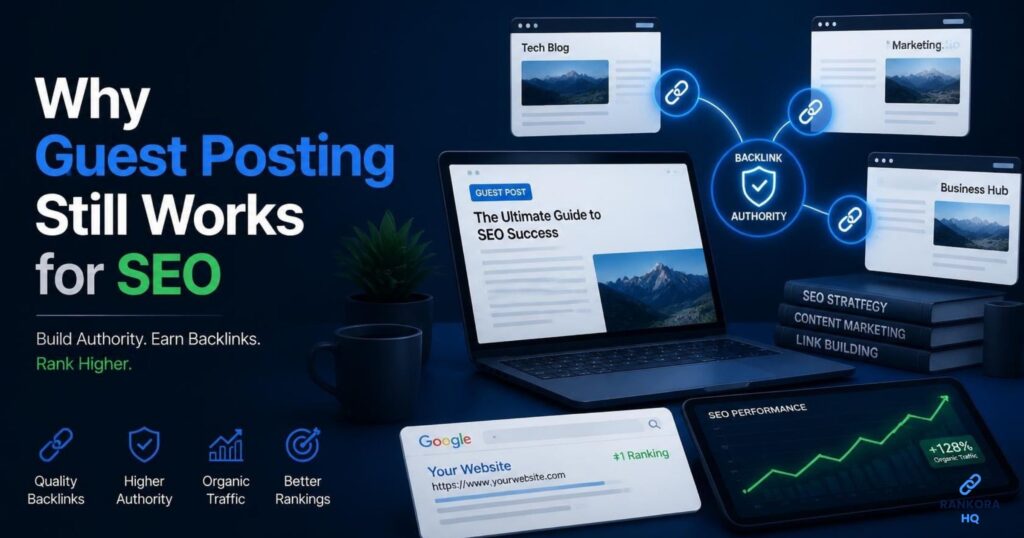
Guest posting still creates SEO value when the placement is relevant, trusted, and useful to readers. The benefit comes from the quality and context of the link, not simply from getting your URL published on another website.
Relevant Editorial Links Can Support Rankings
A backlink placed naturally inside a relevant article can strengthen the authority of the target page. It also helps search engines understand how that page connects to a wider topic.
In my experience, links from closely related publishers tend to make more sense strategically than links from random high-metric sites. Relevance gives the placement context, which is something raw authority scores cannot provide.
Guest Posts Can Build Authority and Referral Traffic
The guest posting benefits go beyond backlinks. A strong article can put your brand in front of a new audience, generate referral visits, and create branded search interest.
For agencies and SaaS businesses, this exposure can also support trust. A useful contribution on a respected industry site carries more weight than a link hidden inside generic content.
Placement Quality Matters More Than DR Alone
Domain Rating can be useful as one screening metric, but it should never be the only one.
I also check organic traffic, keyword visibility, topical relevance, content quality, indexing, and outbound link patterns. A DR 70 site with weak traffic and unrelated content may offer less guest post value than a smaller, highly relevant publisher with a real audience.
When Guest Posting Is Actually Effective
Guest posting is most effective when the placement supports a clear SEO goal. The site, article, anchor, and target page should all make sense together.
Publish on Relevant Sites With Real Traffic
Topical relevance should come first. A backlink from a site that regularly covers your industry is usually more meaningful than one from an unrelated site with stronger metrics.
I also check whether the publisher has real organic traffic and recent visibility. That helps filter out sites that look strong on paper but provide little practical value.
Use Useful Content and Natural Link Placement
The article should answer a real question or solve a problem for the publisher’s audience. The backlink should fit naturally inside that content.
Forced anchors, awkward mentions, and thin articles reduce the quality of the placement. Good guest posting for SEO should read like normal editorial content, not a link-building transaction.
Target Pages That Support Your SEO Strategy
A guest post should point to a page that actually deserves support. That could be a service page, product page, category page, or useful resource with clear search potential.
I prefer building links around pages that already have strong content, good internal linking, and relevant keyword targeting. Guest posting works better when it strengthens a solid SEO foundation instead of trying to compensate for a weak one.
When Guest Posting Stops Working
Guest posting stops working when the strategy becomes focused on volume instead of relevance and quality. Weak sites, forced links, and unrealistic expectations can turn a useful tactic into wasted budget.
Mass Publishing on Low-Quality Sites
Publishing dozens of articles on unrelated or low-quality websites rarely creates lasting value. These placements may increase backlink counts, but they often add little real authority or traffic.
I would rather secure fewer placements on credible publishers than chase volume for the sake of reporting bigger numbers.
Choosing Websites Only Because of High DR
High DR does not automatically mean a site is valuable. Some websites have strong metrics but weak traffic, poor content, or obvious link-selling patterns.
For guest posting SEO in 2026, relevance, real visibility, and editorial quality matter more than a single authority score.
Over-Optimised Anchors and Irrelevant Links
Exact-match anchors used repeatedly can look unnatural, especially when the surrounding content does not support the linked page.
I prefer branded, partial-match, and contextual anchors that fit the sentence naturally. The link should help the reader, not look inserted purely for SEO.
Expecting Instant Rankings From a Few Placements
Guest posting is not an instant ranking switch. A few backlinks cannot fix weak content, poor technical SEO, or low topical authority.
The best results usually come when guest posts support a wider strategy that already includes strong content, internal linking, and sound on-page SEO.
Guest Posting Risks to Watch in 2026
Guest posting can create problems when links are bought, placed, or scaled in ways that look manipulative. The main risk is not guest posting itself. It is using poor-quality sites and unnatural linking patterns.
Paid Links and Google’s Link Spam Policies
Google allows advertising and sponsored content, but paid links intended to manipulate rankings can violate its spam policies.
If money changes hands for a placement, the safest approach is to understand how that link is being treated and avoid building a strategy around obviously manipulative paid links.
Link Farms and Sites Built Mainly to Sell Backlinks
Some websites publish across dozens of unrelated niches and exist mainly to sell placements. These sites may show strong DR while offering little real audience or editorial value.
I avoid publishers with thin content, excessive outbound links, and no clear topical focus. These are common guest post risks that can reduce the value of a campaign.
Fake Authority Metrics and Declining Organic Traffic
Authority scores can be inflated, so I never judge a publisher by DR alone. A site with falling traffic, weak rankings, or poor indexing may not be worth using.
Checking recent organic visibility helps separate genuine publishers from sites that only look strong in SEO tools.
Why Editorial Review and Client Approval Matter
Transparency reduces risk. Before publishing, the client should know the website, article topic, anchor text, and destination URL.
At Rankora HQ, I prefer approval before anything goes live because it gives the client control and prevents unwanted placements from becoming part of their backlink profile.
How to Evaluate a Guest Post Before Publishing
A guest post should be reviewed before publication, not after the link is already live. A simple quality check can prevent weak placements and improve the overall value of the campaign.
Check Topical Relevance and Organic Traffic
Start by checking whether the site regularly publishes content related to your niche. Relevance should be obvious, not forced.
I also review organic traffic trends and ranking keywords. A site with real search visibility is usually a better choice than one relying only on a high DR score.
Review Content Quality and Outbound Links
Read several recent articles before approving the site. Look for useful content, clear editing, and a consistent publishing standard.
Also check how often the site links to unrelated businesses. Too many commercial outbound links can be a warning sign.
Check Indexing and Recent Search Visibility
A strong-looking site is not useful if its pages are not being indexed properly.
I check whether recent posts appear in Google and whether the site still ranks for relevant keywords. Sudden traffic drops or missing pages deserve closer inspection.
Approve the Site, Article, Anchor, and Target URL
Before publication, review the full placement: publisher, article topic, anchor text, and destination page.
This step keeps the campaign controlled and transparent. It also helps ensure the backlink fits naturally into the content and supports the intended SEO goal.
Is Guest Posting Worth It in 2026?
Yes, guest posting is worth it when the goal is to earn relevant editorial links, build authority, and support pages that already have strong SEO foundations. It becomes less valuable when it is treated as a cheap volume tactic.
When Guest Posting Is Worth the Investment
Guest posting makes sense when you can access relevant publishers with real traffic, useful content, and genuine editorial standards.
For SEO agencies, it is especially useful when placements support client service pages, commercial pages, or topic clusters that already have clear ranking potential.
When Another Link-Building Strategy May Be Better
Guest posting is not the right answer for every campaign. Digital PR, resource-page outreach, partnerships, or linkable assets may be better when the goal is broader brand exposure or large-scale authority growth.
I see guest posting as one part of a wider link-building strategy, not the entire strategy.
Realistic Expectations for SEO Agencies and Brands
A good guest post can strengthen authority, improve referral visibility, and support rankings over time. It should not be expected to produce instant results on its own.
The strongest campaigns combine quality placements with good content, technical SEO, internal linking, and clear keyword targeting. That is where the real guest post value comes from.
Common Guest Posting Mistakes to Avoid
Guest posting usually fails because of poor execution, not because the strategy itself is outdated. Most mistakes come from chasing easy links instead of building relevant, credible placements.
Treating Guest Posting as a Numbers Game
More links do not always mean better results. Publishing on weak sites just to increase backlink volume can waste budget and create a messy link profile.
I focus on fewer placements that match the client’s niche, target page, and SEO goals.
Confusing High DR With High Quality
DR is useful, but it is only one metric. A high-DR site can still have weak traffic, poor content, or unnatural outbound linking.
Always review relevance, search visibility, indexing, and editorial quality before approving a placement.
Ignoring Relevance Between the Article and Target Page
A backlink should make sense inside the article. Sending an unrelated link to a commercial page simply because the publisher allows it weakens the placement.
The strongest links connect naturally to the topic being discussed.
Using the Same Anchor Strategy Repeatedly
Repeated exact-match anchors can look forced and unnatural.
Use a mix of branded, partial-match, URL, and contextual anchors based on what fits the sentence and the page being linked.
Measuring Success Only by Rankings
Rankings matter, but they should not be the only measure of guest posting benefits.
Track referral traffic, keyword movement, link quality, brand visibility, and the performance of the target page. That gives a more realistic picture of whether the campaign is working.
Frequently Asked Questions
Is guest posting effective for SEO?
Yes. Guest posting can support SEO when links come from relevant, credible websites and fit naturally within useful content.
Is guest posting worth it in 2026?
Yes, if you focus on quality, relevance, real traffic, and editorial standards instead of buying links in bulk.
What is the future of guest posting?
Guest posting will likely become more quality-driven, with stronger emphasis on real audiences, topical relevance, brand authority, and editorial trust.
Is SEO dead or evolving in 2026?
SEO is evolving, not dead. Search behavior, AI results, and ranking systems are changing, but useful content, authority, and strong technical foundations still matter.
Does guest blogging still work for backlinks?
Yes. Guest blogging still works for backlinks when the placement is relevant, contextual, and published on a genuine website with real visibility.
Can guest posting hurt SEO?
It can if you rely on spammy sites, manipulative anchor text, or large-scale link schemes. Careful publisher selection keeps the risk much lower.
Conclusion
Guest posting still works in 2026, but only when it is treated as a quality-led SEO strategy rather than a shortcut for collecting backlinks. Relevant publishers, real traffic, useful content, natural anchors, and careful placement review matter far more than volume.
From my experience, the best results come when guest posting supports a wider SEO strategy instead of trying to replace one. If you want transparent, approval-first placements on relevant editorial sites, Rankora HQ’s guest posting service for agencies is built around that approach.
Author Bio
Author: Muhammad Awais
Title: Founder, Rankora HQ
Muhammad Awais is the founder of Rankora HQ, a white-label editorial content placement service based in Salalah, Oman. He helps SEO agencies and brands build topical authority through high-quality publishing partnerships on DR 40-90 editorial sites.