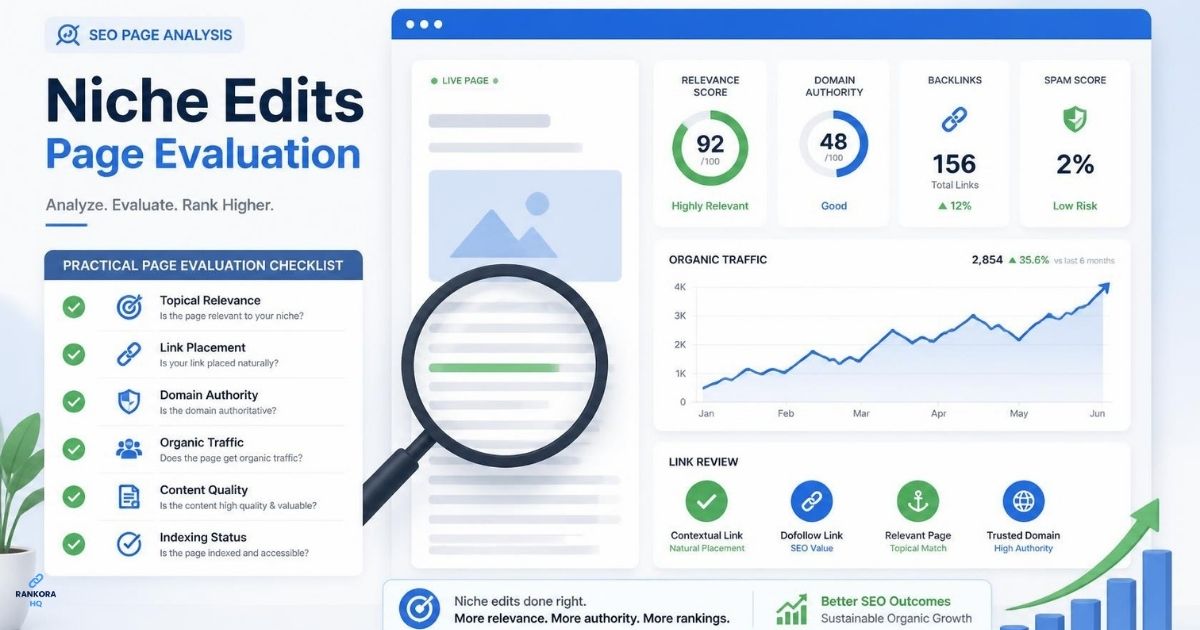
A niche edit can only deliver value when the link is placed on the right page. Many marketers focus on domain metrics and publisher authority but ignore the quality of the actual page receiving the link. A relevant, indexed, and valuable article can make a bigger difference than a random placement on a high-metric page. That is why knowing how to evaluate a page for a niche edit is an important step before approving any link insertion.
In this guide, I will share the exact process I use when reviewing potential placement opportunities for Rankora HQ clients. We will look at page relevance, indexing, traffic, content quality, outbound links, freshness, and placement context. By the end, you will know how to evaluate a page for a niche edit and identify whether a specific article is worth adding your link to or should be avoided.
What Makes a Page Suitable for a Niche Edit?
A suitable niche edit page is one where the inserted link feels like a natural part of the existing content. The page should already discuss a related topic, attract relevant readers, and provide enough value to support an additional resource.
Check Page-Level Relevance First
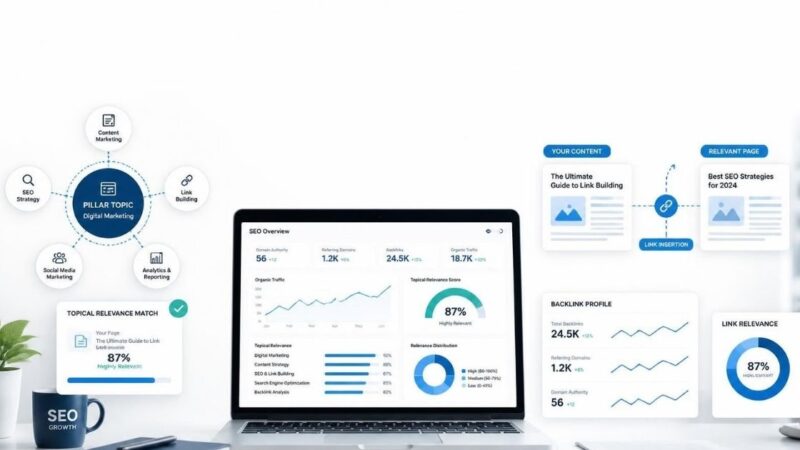
Page relevance is the first factor to review before any link insertion. The article should closely match the topic, audience, and search intent of the link being added.
A relevant page should have:
- A matching topic or closely related subject
- Similar search intent
- A natural reason for mentioning the linked resource
- Existing content that supports the added link
Avoid Choosing Pages Based Only on SEO Metrics
SEO metrics like Domain Rating, traffic numbers, and backlinks can help during evaluation, but they should not be the only deciding factors.
A page with strong metrics but poor relevance may not perform well. Search engines and users both value context. A well-matched page with genuine content value often creates a stronger link opportunity than a high-metric page with no topical connection.
Before approving a niche edit, I always review the actual article first. The goal is not just to place a link. The goal is to add a useful reference that improves the existing page.
How to Evaluate Page Relevance for a Link Insertion

Page relevance determines whether a niche edit looks natural or forced. A link should support the existing article and provide additional value to readers. Before approving a placement, I check whether the page topic, audience, and content direction match the target link.
A relevant page creates a stronger connection between the linked resource and the surrounding content. It also reduces the risk of placing links where they feel unrelated or out of context.
Match the Page Topic With Your Target Link
The first step is comparing the page topic with the destination URL. The article should already cover a subject where your link can add useful information.
For example, a link about project management software fits naturally inside an article about team productivity tools. However, placing the same link in an unrelated article about travel tips creates a weak connection.
When reviewing relevance, check:
- Does the article discuss a related topic?
- Does the link answer a question the reader may have?
- Would the placement make sense without SEO goals?
Analyze the Content Context Around the Placement
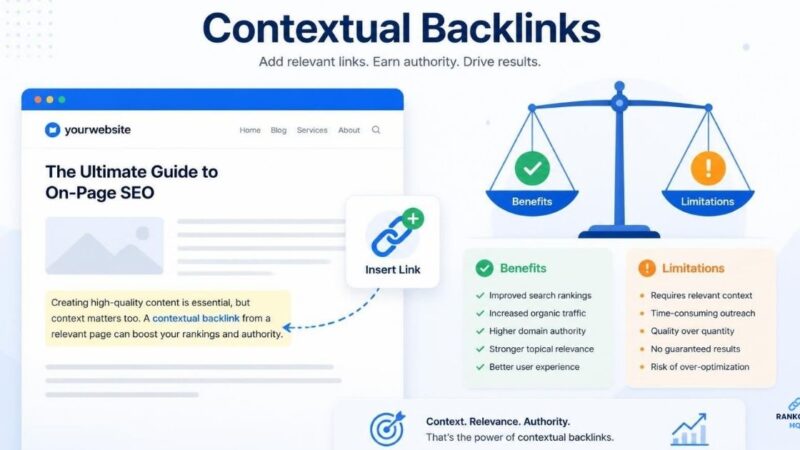
The paragraph surrounding the link matters as much as the page topic. A good niche edit should blend into the existing content instead of appearing as an added advertisement.
A strong contextual placement usually has:
- A related paragraph before the link
- Natural anchor text
- A clear reason for including the resource
- Smooth reading flow for users
A relevant page with the right context creates a more valuable niche edit than a random link added to an otherwise unrelated article.
Check Indexing and SEO Performance Before Approval
Before approving a niche edit placement, I always check whether the page is properly indexed and showing signs of search visibility. A page that cannot be found or recognized by search engines may not provide the expected SEO value.
Page-level SEO signals help determine whether the article is active, useful, and worth adding a link to. These signals should support relevance, not replace it.
Confirm the Page Is Indexed and Visible in Search
The first step is checking whether the specific page appears in search results. An indexed page has the potential to attract organic visitors and pass value through a contextual link.
Avoid pages that show signs of indexing issues, such as:
- The URL does not appear in Google search
- The page has been removed or deindexed
- The content receives no search visibility
A properly indexed article is a basic requirement for a quality niche edit placement.
Review Existing Article SEO Metrics
After confirming indexing, review the page’s SEO performance to understand its current position. I usually look at traffic trends and keyword visibility instead of relying on a single metric.
Important page-level signals include:
- Organic traffic consistency
- Ranking keywords
- Search impressions
- Traffic growth or decline
- Current ranking positions
A page does not need thousands of visitors to be valuable. A relevant article with stable visibility can still be a strong niche edit opportunity. The goal is finding pages that are useful, active, and aligned with the target link.
Analyze Content Quality and Freshness
A niche edit works best when the existing page already provides real value to readers. Before adding a link, I review whether the article is useful, well-written, and strong enough to support an additional resource.
A page with weak content may not provide a good user experience, even if it has traffic or rankings. Quality should always be part of the page evaluation process.
Evaluate Whether the Article Provides Real Value
Content quality shows whether the page deserves an additional reference. A strong niche edit page usually has clear information, proper structure, and content that solves the reader’s problem.
When reviewing content quality, check:
- Does the article fully cover the topic?
- Is the information accurate and helpful?
- Does the content have clear headings and organization?
- Does it provide more than basic surface-level information?
I avoid pages that look thin, outdated, or created only to host links. The article should feel like a genuine resource before any link is added.
Check Freshness Signals
Freshness is another important factor when evaluating a page. Search results change over time, and outdated articles may lose visibility or become less useful.
Look for signs that the page is maintained:
- Recent updates or revisions
- Updated statistics and examples
- Working links and references
- Information that matches current industry practices
A fresh, valuable article creates a stronger foundation for a niche edit because the page continues to serve readers after the link is added.
Review Existing Links Before Adding a Niche Edit
Before approving a niche edit, I always review the existing links on the page. The goal is to understand how the article handles external references and whether a new link will fit naturally.
A page that already includes useful, relevant links is usually a better opportunity than a page filled with random or promotional links.
Analyze Outbound Link Quality
Existing outbound links can reveal how the page handles references. A quality article usually links to helpful resources that support the reader.
Check:
- Are existing links relevant to the article topic?
- Do they point to trustworthy resources?
- Are they placed naturally within the content?
- Do they improve the reader’s experience?
A page with thoughtful outbound linking patterns is more likely to support a natural niche edit.
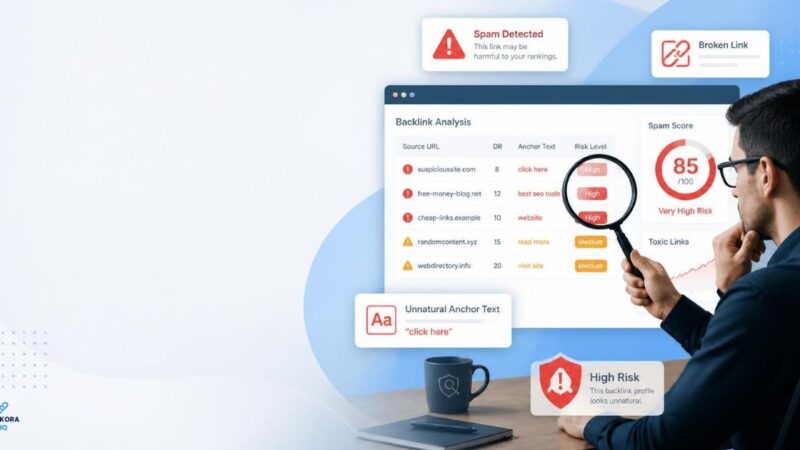
Identify Warning Signs
Some pages show clear signs that they are not suitable for link insertion. These issues can reduce the value of a placement and create a poor user experience.
Watch for:
- Too many commercial links
- Exact-match anchor text overuse
- Unrelated external websites
- Links added only for SEO purposes
Find the Right Placement Opportunity Within the Page
The location of a niche edit link can affect how natural and valuable the placement appears. A good page is not enough; the link also needs to be added in the right section of the article.
I always review the surrounding content before approving a placement. The link should support the discussion and feel like a natural recommendation, not an interruption.
Choose a Natural Content Section
The best placement usually appears where the linked resource helps explain a point or provides additional information.
Look for sections where:
- The topic closely matches the linked page
- Readers may want more details
- The link improves the existing paragraph
- The addition feels useful without changing the article flow
Avoid inserting links in unrelated sections just because the page has strong metrics.
Review Anchor Text and Context
Anchor text should match the surrounding content and feel natural to readers. Over-optimized anchors can make the placement look forced.
When reviewing the context, check:
- Does the anchor fit grammatically?
- Does it describe the linked resource accurately?
- Does it avoid unnecessary keyword repetition?
- Does the sentence still sound natural after insertion?
A strong niche edit blends into the article so smoothly that readers see it as a helpful resource rather than a paid addition.
Common Mistakes When Evaluating Niche Edit Pages
Evaluating a page for a niche edit requires more than checking a few SEO numbers. Many poor placements happen because marketers focus on the wrong signals and ignore the actual quality of the page.
Avoiding these mistakes can help you choose pages that provide better long-term value.
Choosing Pages Only Because of High Metrics
High DR, traffic, or backlink numbers do not automatically make a page suitable for a niche edit.
A page with strong metrics but weak relevance may not deliver meaningful results. Always review the actual article, its topic, and its audience before making a decision.
Ignoring Traffic Quality and Trends
A page may show traffic numbers but still be a weak placement opportunity if its visibility is declining.
Check whether the traffic is:
- Stable over time
- Coming from relevant keywords
- Supported by useful content
Avoid pages that have sudden drops or inconsistent search performance.
Adding Links to Unrelated Articles
Relevance is one of the strongest signals in a niche edit. Adding a link to a page that does not match the topic creates a poor experience for users.
The link should naturally support the information already discussed in the article.
Accepting Pages With Poor Content Quality
Thin, outdated, or poorly written articles can weaken the value of a placement.
Before approving a page, make sure it offers useful information, has proper structure, and is maintained regularly.
Frequently Asked Questions
How do I evaluate a page for a niche edit?
Review the page’s relevance, indexing status, traffic, content quality, outbound links, and placement context before approving a link insertion.
What metrics matter most when checking a niche edit page?
Page relevance, organic visibility, content quality, and natural link placement matter more than relying only on DR or authority metrics.
Should I choose a high-traffic page for link insertion?
High traffic can help, but relevance and content quality are more important. A relevant page with stable visibility can be a stronger opportunity.
Is a high DR page always good for niche edits?
No. A high DR page may still be a poor choice if it has irrelevant content, low-quality links, or weak user value.
How can I identify a low-quality niche edit opportunity?
Avoid pages with poor content, no indexing, declining traffic, excessive outbound links, or unnatural link placement patterns.
Conclusion
A successful niche edit starts with choosing the right page, not just finding a website with strong metrics. The best placements come from pages that are relevant, indexed, useful, and provide a natural place for your link.
When I evaluate pages for Rankora HQ clients, I focus on the details that impact real value: topic alignment, search visibility, content quality, outbound links, freshness, and user experience. A careful page-level review helps avoid weak placements and builds links that support long-term SEO goals.
If you need help finding and reviewing quality link insertion opportunities, our niche edit link insertion service helps agencies and brands secure relevant editorial placements with full transparency and approval control.
Author Bio
Muhammad Awais
Founder, Rankora HQ
Muhammad Awais is the founder of Rankora HQ, a white-label editorial content placement service based in Salalah, Oman. He helps SEO agencies and brands build topical authority through high-quality publishing partnerships on DR 40-90 editorial sites.
LinkedIn: linkedin.com/in/muhammad-awais-seo-outreach