A guest post pitch is not just an email asking for a backlink. It is a short, clear message that shows an editor you understand their site, their audience, and the kind of content they actually publish. In my experience, a strong guest post pitch gets replies because it feels relevant before it feels promotional.
Most ignored pitches fail for the same reason: they ask too much without giving the editor a reason to care. In this guide, I will break down what a guest post pitch should include, how to suggest better topic ideas, how to show credibility without sounding salesy, and how to use a simple guest post pitch template that editors can answer quickly.
What Is a Guest Post Pitch?
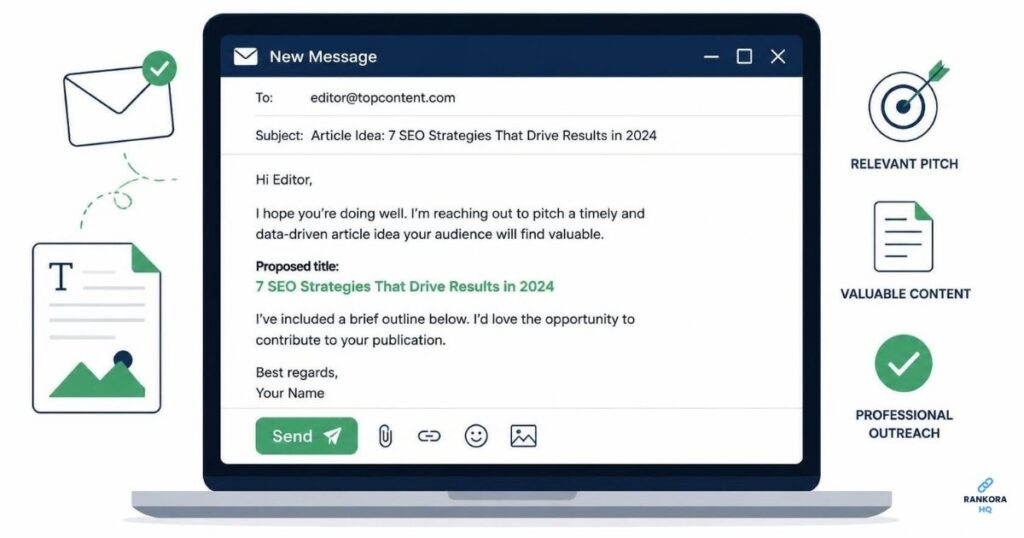
A guest post pitch is a short email sent to a publisher or editor to suggest a content idea for their website.
The goal is simple: show that your topic fits their audience and that you can deliver a useful article. A good pitch does not start by asking for a link. It starts by proving relevance.
Simple definition for agencies and founders
For agencies and founders, a guest post pitch is the first message that opens the door to an editorial placement.
It explains who you are, what topic you want to write about, and why that topic makes sense for the publication. If the pitch is clear, relevant, and easy to answer, the editor is more likely to reply.
What a pitch should do before asking for placement
A strong pitch should make the editor feel that the article idea belongs on their site.
That means the topic should match their niche, their audience, and their content style. Before asking for approval, the pitch should answer one silent question: “Why would our readers care about this?”
Why Most Guest Post Pitches Get Ignored
Most guest post pitches get ignored because they look like they were sent to hundreds of editors at once.
Editors are busy. If your email feels generic, unclear, or self-focused, they have no reason to reply. A strong pitch must quickly show relevance, value, and respect for their time.
The pitch is too generic
Generic pitches usually start with vague praise like “I love your blog” or “Your website is amazing.”
That does not prove anything. Editors want to see that you understand their audience and content. A better pitch mentions a clear topic fit, not empty compliments.
The topic does not match the publication
Even a well-written pitch will fail if the topic is wrong.
For example, pitching a broad SEO article to a publication that only covers SaaS growth is too loose. The idea must match the site’s niche, reader intent, and existing content style.
The email asks too much too early
Some pitches ask for approval, backlinks, anchor text, publishing dates, and content rules in the first message.
That creates friction. The first pitch should only make the editor comfortable enough to say, “Yes, send the draft” or “This topic sounds relevant.”
The sender sounds like a mass outreach template
Editors can spot a mass outreach email quickly.
The wording feels stiff. The topic ideas feel random. The email often says nothing specific about the publication. A good guest post pitch should feel like it was written for one editor, not copied into a campaign.
What Editors Actually Look For Before Replying
Editors reply when the pitch makes their job easier.
They do not want a long introduction or a hard sell. They want to know if the topic is relevant, useful for their readers, and realistic to publish.
Relevance to their audience
The first thing an editor checks is whether the idea fits their readers.
A guest post about “SEO tips” is too broad for most sites. But a topic like “how SaaS teams can build topical authority with editorial links” feels more specific and useful for the right publication.
Clear topic value
A good topic should show the value immediately.
The editor should not have to guess what the article will cover. Your pitch should make the benefit clear in one or two lines. If the idea feels useful, timely, or practical, it has a better chance of getting a reply.
Proof that the writer understands the site
Editors want signs that you have actually looked at their publication.
This does not mean writing fake compliments. It means suggesting ideas that match their content style, audience level, and topic focus. A relevant pitch shows research without making the email long.
Low-friction communication
The easier your pitch is to answer, the better.
Editors are more likely to reply when they can say yes, no, or choose from a short list of topics. A simple CTA like “Would any of these be a fit?” works better than asking too many questions at once.
Research the Publication Before Writing the Pitch
Researching the publication helps you write a pitch that feels relevant, not random.
This does not mean spending hours on every site. It means checking enough to understand what the editor publishes, what their readers care about, and where your topic can fit naturally.
Check the topics they already publish
Start by looking at the main topics on the site.
If the publication covers SEO strategy, do not pitch a basic “what is SEO” article. Suggest something that fits their existing theme but adds a fresh angle. The closer your idea is to their content focus, the easier it is for the editor to consider.
Match your idea to their audience, not your backlink goal
Editors care about readers first.
If your pitch sounds like it only exists to place a link, it will feel weak. A better pitch starts with the audience problem, then connects your article idea to that problem. The backlink should never feel like the main reason for the email.
How to Structure a Guest Post Pitch
A strong guest post pitch should be simple, relevant, and easy to reply to.
The editor should understand your idea within a few seconds. Keep the email focused on the topic, the reader value, and the next small step.
Write a clear, relevant subject line
The subject line should tell the editor what the email is about.
Avoid clever or vague subject lines. A simple line like “Guest post idea for your SEO section” is usually stronger than something that tries too hard. The goal is clarity, not creativity.
Open with context, not a generic introduction
Do not start with a long intro about yourself.
Open with why the pitch is relevant to their publication. Mention the type of content they publish or the audience problem your idea solves. This shows the email was written with their site in mind.
Suggest 2–3 specific guest post topics
Editors respond better when they can choose from clear ideas.
Do not pitch one broad topic like “digital marketing tips.” Offer 2–3 specific angles with a short explanation for each. The topics should feel useful, fresh, and realistic for their readers.
Show credibility without overselling
Credibility helps, but it should not sound like bragging.
Mention your experience in one short line. For example, you can say you work with SEO agencies, SaaS brands, or content teams. The point is to show why you can write the article well, not to turn the pitch into a sales page.
End with a simple CTA the editor can answer quickly
The CTA should make replying easy.
A line like “Would any of these topics be a fit?” works well because it gives the editor a simple choice. Avoid asking for too many details in the first email. The first goal is only to start the conversation.
Weak vs Strong Guest Post Pitch Example
A pitch example is useful because it shows the difference between asking for a placement and offering real editorial value.
Most weak pitches fail because they sound rushed, copied, or too focused on the sender. A strong pitch gives the editor a clear reason to reply.
Example of a weak guest post email
Hi,
I hope you are doing well. I want to write a guest post for your website. I can provide high-quality content on any topic you want. Please let me know your guest post guidelines and publishing requirements.
Thanks.
Why editors ignore this type of pitch
This email gives the editor no real reason to care.
It does not mention the publication, audience, topic idea, or writer credibility. It also asks the editor to do extra work by explaining guidelines before the sender has offered anything specific.
Example of a stronger editorial pitch
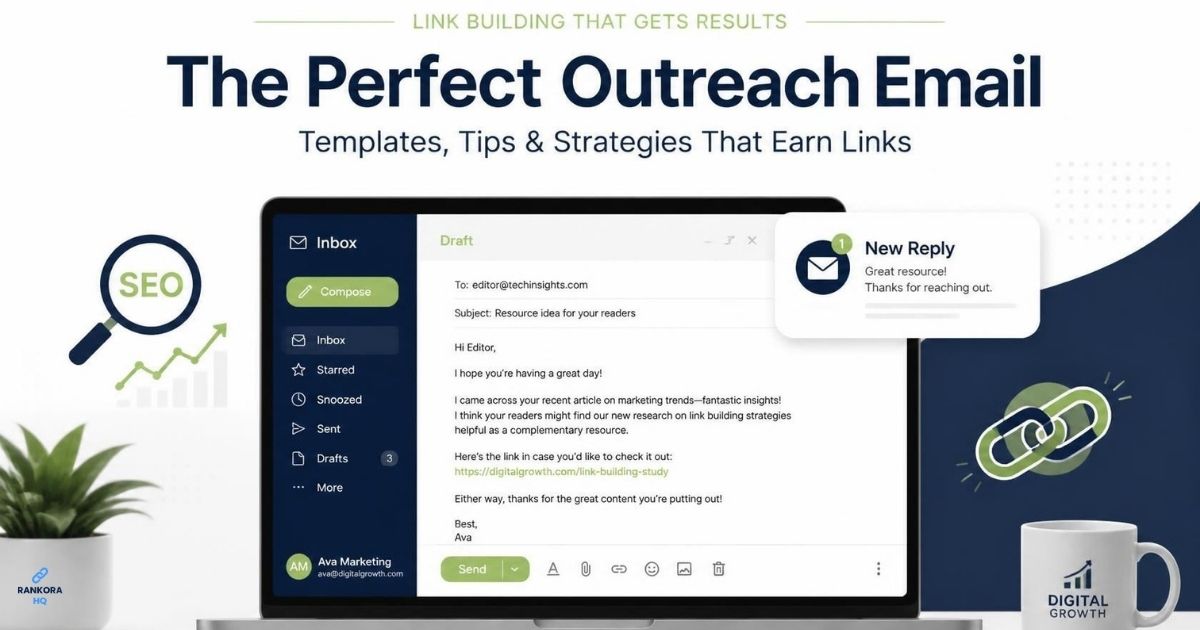
Hi [Editor Name],
I noticed your site publishes practical SEO content for agency teams. I had a few guest post ideas that could fit your readers:
- How agencies can evaluate guest post quality before approving a placement
- Why topical relevance matters more than DR in editorial link building
- How to spot weak guest post opportunities before wasting budget
I run Rankora HQ, where I help SEO agencies with white-label editorial placements, so these topics come from real client work.
Would any of these be a fit for your content calendar?
Best,
Muhammad
Why this version is easier to reply to
This pitch works better because it is specific and easy to answer.
The editor can quickly see the audience fit, the topic value, and the sender’s credibility. The CTA is also simple. They can reply with yes, no, or choose one topic without having to think too hard.
Guest Post Pitch Template You Can Adapt
A good guest post pitch template should guide the email, not make every email sound the same.
Use the structure below as a starting point. Then adjust the topic ideas, context, and credibility line for each publication.
Simple guest post pitch template
Hi [Editor Name],
I saw that [Publication Name] covers [specific topic or audience angle]. I wanted to share a few guest post ideas that may fit your readers:
- [Topic idea 1]
- [Topic idea 2]
- [Topic idea 3]
I work with [your audience/client type], so I can write these from practical experience rather than general theory.
Would any of these be a good fit?
Best,
[Your Name]
Short guest blogging outreach email version
Hi [Editor Name],
I noticed your site publishes content around [topic]. I had one guest post idea that may fit:
[Specific topic idea]
I think it could help your readers understand [clear benefit].
Would this be worth considering?
Best,
[Your Name]
Editorial pitch version for stricter publishers
Hi [Editor Name],
I noticed your publication covers [specific content area] for [specific audience]. I would like to pitch a practical article on:
[Proposed headline]
The article would cover:
- [Point 1]
- [Point 2]
- [Point 3]
My background is in [brief credibility line], so I can write this with real examples and a clear editorial angle.
Would this fit your upcoming content plan?
Best,
[Your Name]
What to customize before sending
Do not send the same template without edits.
At minimum, customize the publication name, audience angle, topic ideas, and credibility line. These small changes make the pitch feel intentional instead of copied.
Common Guest Post Pitch Mistakes to Avoid
Most guest post pitch mistakes happen when the email is written for the sender, not the editor.
A good pitch should feel relevant, simple, and useful. If the editor has to guess your topic, your value, or your reason for reaching out, the pitch is already weak.
Pitching topics the site does not cover
This is one of the fastest ways to lose the editor’s attention.
If a site covers SaaS marketing, do not pitch a general lifestyle or business motivation article. Your topic should clearly belong on their site. Relevance matters more than how well the email is written.
Writing too much in the first email
A long pitch can feel like extra work.
Editors do not need your full background, full outline, and full content plan in the first email. Keep the message short. Share the topic ideas, a quick credibility line, and a simple next step.
Making the pitch all about your brand
A weak pitch talks too much about the sender’s company.
Editors care more about their readers than your business. Instead of saying why you want to publish, explain why the article would help their audience. That shift makes the pitch feel more editorial.
Using fake flattery or vague praise
Lines like “I am a big fan of your amazing blog” sound empty when they are not specific.
You do not need heavy praise. A simple, relevant observation works better. Mention the type of content they publish or the audience they serve.
Asking for links before proving article value
Do not make the backlink the main focus of the first pitch.
Once the article idea is accepted, link details can be discussed naturally. In the first email, the priority is topic fit, reader value, and editorial trust.
Guest Post Pitch Checklist
A guest post pitch checklist helps you review the email before sending it.
The goal is not to make the pitch longer. The goal is to make sure every important part is clear, relevant, and easy for the editor to answer.
Relevance checklist
Before sending, ask yourself:
- Does the topic fit the publication?
- Does it match their audience?
- Does it connect with the type of content they already publish?
- Would their readers actually care about this idea?
If the answer is not clear, the pitch needs work.
Topic idea checklist
Your topic ideas should be specific enough to understand quickly.
Avoid broad ideas like “marketing tips” or “SEO guide.” A stronger idea has a clear angle, audience, and benefit. Editors should know what the article will offer without asking for more details.
Credibility checklist
Your pitch should include one short credibility line.
This can mention your experience, client type, industry background, or practical knowledge. Keep it simple. You only need to show why you can write the article well.
CTA checklist
The CTA should be easy to answer.
Use a simple question like “Would any of these topics be a fit?” or “Would this be worth considering?” Do not ask for guidelines, publishing dates, link rules, and approval all in the same email.
Final review before sending
Read the pitch once from the editor’s point of view.
Is it short? Is it relevant? Is the topic clear? Is the next step simple? If yes, the pitch is ready to send.
Frequently Asked Questions
What should a guest post pitch include?
A guest post pitch should include a relevant opening, 2–3 clear topic ideas, a short credibility line, and a simple CTA.
How long should a guest post pitch be?
A guest post pitch should be short, usually 100–150 words. Editors should understand the idea in a few seconds.
Should I include topic ideas in the first email?
Yes, include 2–3 specific topic ideas. This makes the pitch easier for the editor to review and answer.
What is the best subject line for a guest post email?
The best subject line is clear and direct, such as “Guest post idea for your SEO section” or “Article idea for [Publication Name].”
How do I pitch an editor without sounding spammy?
Make the pitch specific to their publication, focus on reader value, and avoid fake praise or link-first language.
Conclusion
A good guest post pitch is short, relevant, and easy to answer. It should show the editor that your topic fits their audience before you ask for anything else.
If you want help building editorial placements without managing the whole process yourself, Rankora HQ can support your agency with white-label guest posting and content placement.
Author Bio
Author: Muhammad Awais
Title: Founder, Rankora HQ
Muhammad Awais is the founder of Rankora HQ, a white-label editorial content placement service based in Salalah, Oman. He helps SEO agencies and brands build topical authority through high-quality publishing partnerships on DR 40-90 editorial sites.
LinkedIn: linkedin.com/in/muhammad-awais-seo-outreach