Choosing the wrong delivery partner can put your agency in an uncomfortable position fast. I have seen agencies struggle not because they lacked clients, but because the partner behind the work was unclear, slow, or careless with publisher quality. That is why knowing how to choose a content placement partner matters before you trust anyone with client-facing delivery.
In my experience running Rankora HQ, agency owners usually need three things: transparent publisher review, clean content standards, and dependable reporting. This guide explains how to choose a content placement partner by checking the process, communication, approval steps, publisher relevance, and long-term reliability. If you understand how to choose a content placement partner properly, you can protect your agency’s reputation and deliver with more confidence.
Why Choosing the Right Partner Matters
The right white-label content partner protects your agency’s reputation, delivery process, and client trust. When an agency hands part of the work to an outside team, the client still sees the final result as the agency’s work. That is why partner selection should never be rushed.
In my experience, most delivery problems start before the content is even written. The agency chooses a partner without checking the approval process, publisher quality, communication habits, or final reporting standards. Those small gaps later turn into missed timelines, weak placements, and difficult client conversations.
Before you compare partners, I help you to understand the full workflow behind the full strategy, the whole process, publisher review, approval, publication, and reporting. I will explain here that wider system in my complete white-label editorial content placement guide for agencies.
Your Agency Reputation Depends on Delivery Quality
Your client does not care who handled the work behind the scenes. They care whether the final result is clean, relevant, and delivered as promised.
That means your partner must work at the same standard your agency wants to be known for. If the content feels rushed, the publisher is poorly matched, or the report looks unclear, your agency carries the blame.
Poor Placement Choices Create Client Trust Issues
A poor publisher choice can damage confidence quickly. Even if the site has strong surface-level metrics, it may still be a weak fit for the client’s industry, audience, or campaign goal.
I always tell agencies to look beyond numbers. Relevance, content quality, traffic signals, and editorial standards matter just as much as DR.
A Good Partner Protects Your Workflow
A good partner makes delivery easier, not heavier. They explain how they process clearly, send publishers for review and approval, handle revisions properly if need, and give you updates before you’re asking.
That kind of support helps your agency stay focused on strategy, client management, and growth.
How to Choose a Content Placement Partner
The best way to choose a content placement partner is to check their process before you check their promises. A good partner should show you how publishers are selected, how content is reviewed, how approvals work, and what kind of report you receive at the end.
I would not trust any partner who keeps the process vague. Agencies need control because the final work affects their client relationship. Clear steps protect both sides.
Look for a Clear Approval Process
You should be able to approve every publisher before anything goes live. This gives your agency control over quality, relevance, and client expectations and most updated with process.
A strong partner will send publisher details first, explain why each site fits, and wait for your confirmation. Nothing should move forward without approval.
Check How They Select Publishers
Publisher selection should never be based on one metric alone. DR can help, but it does not tell the full story.
I look at relevance, traffic signals, content quality, editorial standards, and whether the site looks useful for a real audience. If the publisher does not fit the client’s niche, I would rather reject it early.
Review Their Communication Style
Good communication saves time for agencies. You should not need to chase updates every few days.
A reliable partner gives clear timelines, explains delays honestly if happend, and keeps you informed during processing. This makes client reporting easier and reduces pressure on your team and make better your workflow.
Make Sure They Understand Well Agency Delivery Pressure
Agency work comes with client deadlines, revision requests, and high-performance expectations with short time. Your partner should understand everything.
The right partner does not just complete tasks. They help your agency deliver smoothly, protect client trust, and avoid last-minute surprises.
Check Publisher Quality Before You Approve Anything
Publisher quality should be checked before you approve any content placement. Once something goes live, it becomes much harder to fix the wrong choice without creating extra work for your agency.
I always review the publisher first, not just the metric shown beside its name. A site can look strong on paper but still be a poor fit for the client’s topic, audience, or brand position.
DR Is Useful, But It Is Not Enough
DR can help you understand general site strength, but it should never be the only reason to approve a publisher.
A strong number does not always mean strong editorial quality. I also check whether the site has real content, active publishing, clean categories, and a natural audience fit.
Relevance Matters More Than Surface-Level Metrics
A relevant publisher is usually more valuable than a random high-metric site. The content should sit in a place that makes sense for the client’s industry.
For example, a SaaS client should not be placed on a broad lifestyle site unless the topic has a clear business angle. Relevance makes the placement feel natural and easier to explain to the client.
Check Real Traffic, Content Quality, and Site Health
Before approval, look at traffic signals, recent content, topic consistency, and the quality of articles already published on the site.
I also check whether the site feels maintained. If the layout is messy, categories are thin, or every article looks unrelated, I treat that as a warning sign.
Avoid Publishers Those Looks Strong But Feel Low-Value
Some publishers look impressive at first meeting but fail once you review everything properly. They may have mixed topics, weak writing, improper reporting, low engagement, don’t care of deadlines or unnatural publishing patterns.
When in doubt, reject the publisher early. A good content placement partner should respect that decision and suggest a better option instead of pushing you to accept a weak fit.
Review Their Content Standards
Content quality should be checked before anything is submitted for approval. A good content placement partner should not treat writing as a small task at the end of the process.
In my experience, weak content creates problems even when the publisher looks strong. If the article is too generic, poorly structured, or not matched to the topic, it can make the whole placement feel careless.
The Writing Should Match the Publisher and Topic
The content should feel natural for the publisher’s audience. It should match the topic, tone, category, and reader expectation.
If the writing feels forced or unrelated, the placement becomes harder for your agency to defend. A good partner should understand where the content will appear before writing it.
Thin Content Can Weaken the Full Campaign
Short, surface-level writing does not help your client much. It may get published, but it rarely builds trust or authority.
I look for content that answers the topic clearly, includes useful context, and reads like something a real editor would accept.
Ask How They Check Originality and Quality
Your partner should have a clear reviewing process. They should check originality, plagiarism, grammar, structure, Ai detection, topic fit, and overall readability before sending anything to you for review and approval.
You should not be the first person finding basic quality issues. If that happens often, the process is not strong enough.
Make Sure Revisions Are Handled Before Publishing
Revisions should happen before the content goes live. This gives your agency time to check accuracy, tone, and client fit.
A reliable partner will handle edits calmly and clearly. They should not rush approval or make your team feel difficult for asking for reasonable changes.
Ask About Transparency and Control
Transparency is one of the clearest signs of a reliable content placement partner. Your agency should know what is happening, where the content may be published, and what approval steps exist before anything goes live.
In my experience, agency owners do not need mystery in delivery. They need clear information, simple updates, and full control over client-sensitive decisions.
You Should See Every Publisher Before Approval
Your partner should share publisher details before moving forward. This gives your agency time to review relevance, quality, and fit.
You should be able to check the site, ask questions, and reject anything that does not match the client’s goals. A good partner will respect that process.
Nothing Should Go Live Without Your Confirmation
No content should be published without your approval. This protects your agency from awkward client conversations later.
At Rankora HQ, I treat approval as a required step, not a formality. If the agency has not confirmed the publisher and content direction, the work should not move ahead.
Check Their Reporting Process
A strong reporting process helps your agency explain the completed work clearly. The report should not create more work for your team after delivery.
In my experience, agencies need reports that are simple, clean, and ready to share internally or adapt for the client. If the report is vague, messy, or missing key details, your team has to spend extra time fixing it.
A Report Should Be Ready for Client Use
The final report should be clear enough for an agency team to understand quickly. It should show what was completed, where it went live, and any important notes.
A good partner will format the report professionally. Your team should not need to rebuild it from scratch.
It Should Include Live URLs, Publisher Details, and Status
A useful report should include the live URL, publisher name, target page, anchor text, content title, publish date, and current status.
Good Reporting Helps Your Agency Explain the Work Clearly
Clients often ask simple questions: where was it published, why was that publisher chosen, and what was completed?
A clear report makes those answers easier. It gives your agency a clean record of the work and helps maintain client trust.
Weak Reports Create Extra Work for Your Team
Weak reporting can make even good delivery feel disorganized. If your team has to chase screenshots, URLs, dates, or missing notes, the partner is not supporting the agency properly.
Before choosing a partner, ask to see a sample report. It will tell you a lot about how seriously they treat delivery.
Red Flags to Watch Before Choosing a Partner
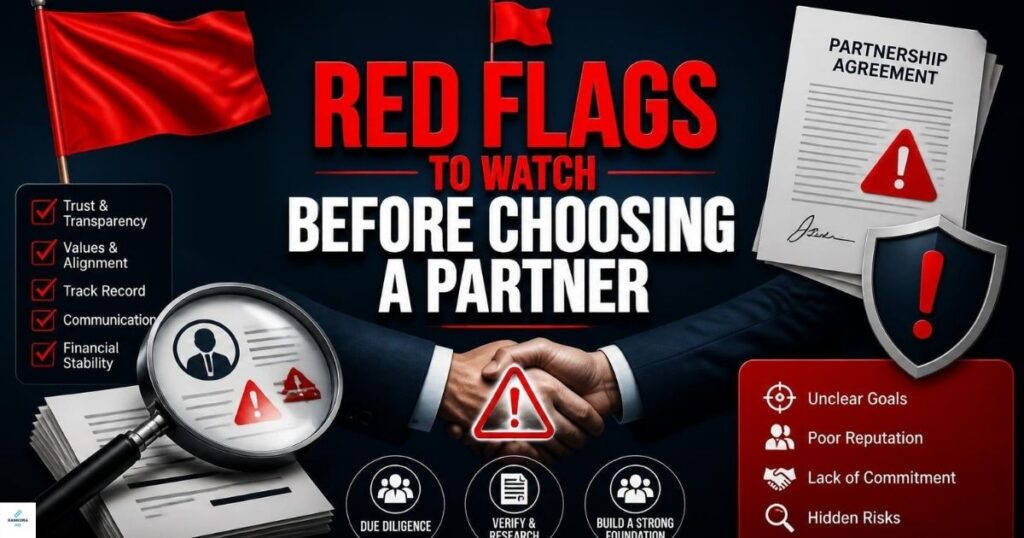
Red flags usually appear early if you know what to check. A weak content placement partner may sound confident on the first call, but the process often reveals the real standard.
I always advise agencies to slow down when something feels unclear. If the partner cannot explain how they choose publishers, review content, handle approvals, or deliver reports, that is a serious warning sign.
No Approval Step Before Publishing
Your agency should approve the publisher and content direction before anything goes live. If a partner skips this step, you lose control over quality and after maybe your client cause of non-content relevancy, or content not as client expectations.
Vague Publisher Quality Claims
Be careful when a partner claims quality work without showing practical quality checks.
You should know how they review relevance, traffic signals, editorial standards, and site condition. If they cannot explain that clearly, the process is too weak.
Slow or Unclear Communication
Poor communication creates stress for agency teams. You should not need to chase every update.
If replies are slow during the first discussion, they may become slower during delivery.
No Clear Content Review Process
A partner should explain who writes the content, who checks it, and how revisions are handled.
If there is no review process, mistakes can reach the approval stage too often. That wastes your team’s time and lowers confidence.
Reports That Do Not Support Client Conversations
A weak report can make finished work hard to explain. Your agency needs clear details, live URLs, publisher information, dates, and delivery status.
If the sample report looks thin or confusing, expect extra work after delivery.
Questions to Ask Before You Decide
The right questions can help you to analyse content placement partner is reliable or not. Before you trust someone blindly for client delivery, ask about their process, quality checks, communication, and reporting.
I prefer simple questions because they make weak answers easier to spot. A strong partner should answer clearly without any fear of deal loss if anything happened.
How Do You Choose Publishers?
Ask how publishers are reviewed before they are suggested. The answer should include relevance, traffic signals, editorial quality, site health, and audience fit.
If the partner only talks about DR, the review process may be too shallow.
Will I Approve Every Placement First?
Your agency should approve each publisher before anything moves forward. This keeps you in control of client-sensitive decisions.
If approval is not part of the process, that is a serious risk.
Who Writes and Reviews the Content?
Ask who handles all process writing and who checks it before approval. Good content needs structure, originality, to the topic, relevancy, and clean formatting.
A reliable partner should have a clear review process before sending work to your team.
What Does the Final Report Include?
The report should include live URLs, publisher details, target pages, publish dates, content titles, and delivery status.
If the report is too light, your agency may need to rebuild it for the client.
How Do You Handle Rejected Publishers or Revisions?
Rejected publishers and content revisions are normal. The partner should handle them professionally.
A good partner will suggest better options, make reasonable edits, and keep the process moving without pressure.
Frequently Asked Questions
What is a white-label content partner?
A white-label content partner supports your agency with content placement, publisher coordination, content preparation, and reporting under your agency’s brand.
How do I know if a content placement partner is reliable?
A reliable partner has a clear process, shares publisher details before approval, communicates well, and delivers clean reports after publication.
Should agencies approve publishers before publishing?
Yes. Agencies should review and approve every publisher first so they can protect client quality, relevance, and trust.
Is DR enough when choosing a publisher?
No. DR is useful, but you should also check relevance, , editorial quality, site health, real traffic signals and audience fit.
What should a client-ready report include?
A client-ready report should include the live URL, publisher details, target page, content title, publish date, and delivery status.
What is the biggest red flag when choosing a content placement partner?
The biggest red flag is a lack of transparency. If the partner cannot explain their process clearly, your agency may face problems later.
Conclusion
Choosing the right content placement partner is not about finding the loudest promise. It is about finding someone who protects your agency’s delivery, communicates clearly, respects approval steps, and understands client expectations.
Before you decide, check the partner’s publisher review process, content standards, reporting quality, and transparency. If those parts are clear, your agency can deliver with more confidence and less pressure.
If you want a cleaner way to manage content placement for agency clients, Rankora HQ can support your workflow with transparent approvals, editorial content standards, and white-label reporting.
Author Bio
Author: Muhammad Awais
Muhammad Awais is the founder of Rankora HQ, a white-label editorial content placement service based in Salalah, Oman. He helps SEO agencies and brands build topical authority through high-quality publishing partnerships on DR 40-90 editorial sites.