A weak publisher can make a strong campaign look careless. That is why learning how to vet a publisher matters before any content placement is approved.
In my work at Rankora HQ, I review publishers before clients commit to a publishing partnership. I do not look at one metric and call it enough. I check authority, real traffic, topical relevance, editorial quality, and the way a site handles outgoing references.
This article explains the exact publisher vetting process agency owners can use before approving a placement. You will learn which signals matter, which red flags to avoid, and how to make a clear approval decision without relying only on DR.
What Publisher Vetting Means for Agencies
Publisher vetting means checking whether a site is suitable, relevant, and safe before approving a content placement.
For agencies, this step protects client trust. A publisher may look strong on the surface, but surface metrics can hide weak traffic, poor topical fit, or loose editorial standards. I have seen sites with strong-looking scores that still made no sense for a client’s niche.
A Simple Definition of Publisher Vetting
Publisher vetting is the process of reviewing a website before accepting a publishing partnership. The goal is to confirm that the publisher has real authority, useful content, relevant topics, and a clean editorial environment.
It is not just a numbers check. It is a quality review.
Why Approval Should Happen Before Publication
Approval should happen before publication because clients deserve to know where their brand will appear. At Rankora HQ, I share publisher details before anything goes live.
This keeps the process transparent and gives the client control over the final decision.
What Can Go Wrong When Agencies Skip This Step
Skipping publisher vetting can lead to poor content placement quality. The site may have weak traffic, unrelated categories, thin articles, or too many outgoing commercial references.
That creates unnecessary risk for the agency and can make a campaign look careless.
Why DR Alone Is Not Enough
DR is useful, but it should never be the only reason to approve a publisher.
A site can have a strong DR score and still have weak traffic, poor topical relevance, or low editorial standards. In my experience, the best publisher vetting process combines authority metrics with manual review.
What DR Can Tell You
DR can help you understand the general authority strength of a website. It gives agencies a quick starting point when reviewing possible DR-qualified publishers.
But it is only one signal. It does not prove the site is active, trusted by real readers, or relevant to the client’s industry.
What DR Cannot Tell You
DR cannot show whether a publisher has real organic traffic, strong editorial content, or a clean publishing history.
It also cannot tell you if the site accepts too many unrelated topics. That is why manual review matters before approval.
Why Real Traffic and Relevance Matter More
Real traffic shows that people actually find and visit the publisher through search. Topical relevance shows that the site makes sense for the client’s niche.
When both are present, the content placement looks more natural and valuable. A lower-DR publisher with strong relevance can often be better than a high-DR site with no clear topical focus.
How to Vet a Publisher Using the Main Quality Signals
The best way to vet a publisher is to check authority, traffic, relevance, editorial standards, and outgoing reference patterns together.
No single metric gives the full picture. At Rankora HQ, I review each publisher manually because agency clients need more than a good-looking number. They need a publishing partnership that fits their niche and protects their brand.
Check Real Organic Traffic
Real traffic shows whether people actually visit the publisher through search.
A site with DR but no visible traffic can be a weak choice. I look for steady organic movement, ranking pages, and relevant keywords. Sudden drops, flat traffic, or no search visibility are warning signs.
Review Topical Relevance
Topical relevance means the publisher covers subjects close to the client’s industry.
For example, a SaaS client should not be placed on a broad lifestyle site with random categories. The content environment should feel natural. Strong relevance makes the placement more credible and easier for readers to trust.
Inspect Editorial Quality
Editorial quality is one of the clearest signs of a real publisher.
I check recent articles for structure, writing depth, formatting, author details, and usefulness. Thin articles, copied angles, messy layouts, or generic wording show weak standards. A good publisher should look like it serves readers first.
Confirm Publisher Authority
Publisher authority should be reviewed through more than one signal.
DR is useful, but I also check search visibility, topical strength, content history, and the quality of existing pages. A strong publisher usually has consistent content, clear categories, and a stable presence in search results.
Review Outgoing Reference Patterns
Outgoing reference patterns show how carefully a publisher manages placements.
If every article points to unrelated businesses, casino topics, adult topics, or random commercial pages, I reject it. A clean publisher should have controlled editorial standards and relevant references that make sense within the content.
The Publisher Vetting Process I Use at Rankora HQ

The publisher vetting process I use at Rankora HQ is simple: I check relevance first, then authority, traffic, editorial quality, and client approval.
I do not approve a publisher just because it looks strong in a tool. A good content placement needs to make sense for the client’s niche, audience, and brand position.
Step 1 — Match the Publisher to the Client’s Niche
I start by checking whether the publisher fits the client’s industry.
If a client works in SaaS, finance, legal, health, or local business, the publisher should already cover related topics. A random mixed-topic site is rarely the best choice, even when the DR looks strong.
Step 2 — Review DR, Traffic, and Visibility Together
Next, I review DR, organic traffic, and keyword visibility as one group.
A DR-qualified publisher should also show signs of real search activity. I prefer publishers with steady traffic, relevant ranking keywords, and pages that appear naturally in search results.
Step 3 — Read Recent Editorial Content Manually
Manual review is where many weak publishers get rejected.
I read recent articles to check depth, formatting, topic focus, author signals, and overall editorial quality. If the content feels thin, rushed, or written only for placements, I do not treat it as a strong option.
Step 4 — Check Publisher Guidelines and Approval Rules
Clear publisher rules are a good sign.
I check whether the publisher has content standards, category limits, formatting rules, and review steps. Strong publishers usually protect their editorial space instead of accepting anything that is sent to them.
Step 5 — Share the Publisher for Client Approval
Before anything goes live, I share publisher details with the client.
This includes the site, niche notes, DR, traffic signals, relevance summary, and my recommendation. The client can approve or reject the publisher before content is written or published.
That approval-first workflow keeps the process transparent and helps agencies protect client relationships.
Publisher Red Flags Agencies Should Avoid
A publisher should be rejected when its authority, traffic, relevance, or editorial standards do not support the client’s brand.
Some weak publishers look acceptable at first glance. The issue usually appears when you look deeper into traffic quality, topic history, and outgoing reference patterns.
High DR With Weak Traffic
High DR with little real traffic is one of the first warning signs.
It often means the publisher has authority on paper but limited search demand. I prefer a publisher with steady traffic and relevant keyword visibility over a high-score site that nobody seems to visit.
Irrelevant Categories and Mixed Topics
A publisher covering too many unrelated topics can weaken content placement quality.
If one site publishes about finance, pets, gambling, software, travel, and health with no clear focus, I treat it carefully. The client’s content should sit inside a natural editorial environment.
Thin or Generic Editorial Content
Thin content usually shows weak publishing standards.
I check whether articles answer real questions, use helpful structure, and offer genuine value. If most posts feel rushed, repetitive, or written only to fill space, the publisher is not a strong fit.
Too Many Outgoing Commercial References
Too many outgoing commercial references can make a publisher look careless.
A strong publisher controls what it allows inside its editorial content. If every article points to unrelated brands or unnatural pages, I usually reject the site.
No Clear Editorial Standards
A publisher without clear standards is risky for agency work.
Good publishers have rules for topics, formatting, review, and approval. When those rules are missing, the final placement can become harder to control.
Simple Publisher Vetting Checklist
A simple publisher vetting checklist should cover authority, traffic, relevance, editorial quality, and the final approval decision.
I use this checklist to keep every review consistent. It helps agencies avoid emotional decisions and judge each publisher by clear quality signals.
Authority Metrics
Start with basic authority metrics, but do not stop there.
Check DR, domain history, search visibility, and the quality of ranking pages. A good publisher should show stable authority across more than one signal.
Traffic Signals
Traffic signals show whether the publisher has real audience reach.
Look for organic traffic, ranking keywords, steady search movement, and pages that bring visitors from relevant topics. Avoid sites with sudden drops, flat visibility, or no meaningful search presence.
Relevance Checks
Relevance is where many publishers pass or fail.
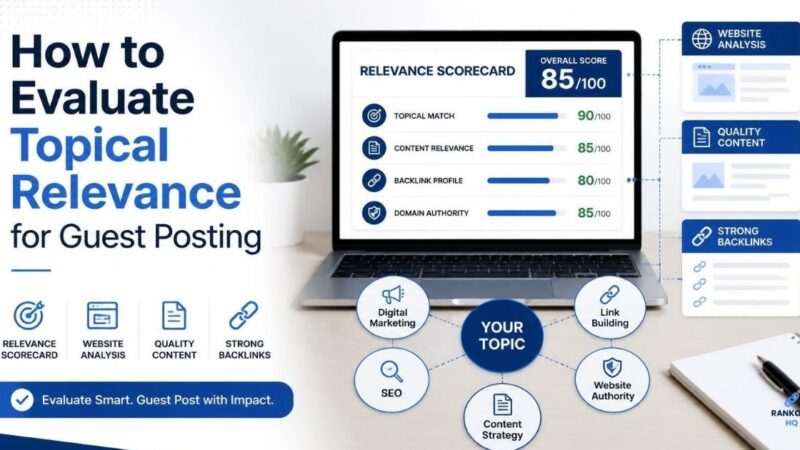
Review the main categories, recent articles, and the audience the site appears to serve. The publisher should match the client’s industry or support a closely related content strategy.
Editorial Quality Checks
Editorial quality shows how seriously the publisher treats its readers.
Check article depth, formatting, author details, grammar, headings, and overall usefulness. A strong publisher should publish content that feels reviewed, organized, and written for real people.
Final Approval Decision
The final decision should be based on the full picture.
If authority, traffic, relevance, and editorial quality all support the client’s goals, the publisher can move to approval. If one major signal is weak, I explain the concern and suggest a better option before anything goes live.
Frequently Asked Questions
How do you vet a publisher?
You vet a publisher by checking relevance, real traffic, authority, editorial quality, and outgoing reference patterns. I always review these signals together before recommending any content placement to a client.
What is the most important publisher vetting metric?
The most important metric is not DR alone. I give more weight to topical relevance and real organic traffic because they show whether the publisher makes sense for the client’s audience.
Is DR enough to approve a publisher?
No, DR is not enough to approve a publisher. A site can have strong authority metrics but weak traffic, poor content quality, or unrelated categories. That is why manual review is still needed.
How do agencies find real traffic publishers?
Agencies find real traffic publishers by checking organic traffic trends, ranking keywords, indexed pages, and recent search visibility. A good publisher should show steady activity, not just a strong authority score.
Why does topical relevance matter in publisher vetting?
Topical relevance matters because the content should appear in a natural editorial environment. If the publisher’s topics do not match the client’s industry, the placement can feel forced and less useful for readers.
What are the biggest publisher red flags?
The biggest red flags are weak traffic, random topic categories, thin editorial content, too many outgoing commercial references, and no clear publishing standards. Any one of these can reduce content placement quality.
Conclusion
Knowing how to vet a publisher helps agencies protect client trust before any content placement goes live. A strong publisher should have real traffic, clear topical relevance, solid editorial quality, and clean authority signals.
Do not approve a publisher based on DR alone. Review the full picture, check for red flags, and make sure the site fits the client’s brand and audience.
At Rankora HQ, I follow an approval-first workflow so agencies can review every publisher before publication. That keeps the process transparent, controlled, and easier to manage for client-facing campaigns.