Publisher editorial guidelines can make or break a guest post before an editor even reviews the full draft. In my experience working with agency content, the hard part is not just following the rules. The real challenge is adapting the article to the publisher’s structure, tone, sourcing, links, and formatting while still keeping the client’s brand voice clear.
When agencies ignore publisher editorial guidelines, content gets delayed, rewritten, or rejected. But when they follow them too rigidly, the article can sound flat and disconnected from the client’s identity. This guide explains how to balance both sides: let publisher editorial guidelines control the format, while the client’s brand voice protects the message, positioning, and personality.
What Publisher Editorial Guidelines Control
Publisher editorial guidelines control how your content must fit the publication, not how your client’s brand should think or speak. They usually define the article structure, tone, sourcing rules, formatting style, link limits, and promotional boundaries.
I look at these rules as the publisher’s quality filter. If the article does not match their editorial standards, even a strong idea can get pushed back.
Structure and Formatting Rules
Most publishers have clear preferences for how content should be organized. They may require a specific word count, heading style, introduction length, paragraph format, bullet usage, image size, or submission format.
These rules matter because editors want content that feels native to their site. If every article on the publication uses short paragraphs and practical subheadings, a long, dense, sales-style article will feel out of place.
For agencies, this means the client’s message must be shaped into the publisher’s preferred structure. The core idea can stay the same, but the layout should match the publication.
Tone, Sourcing, and Editorial Standards
Contributor guidelines often explain the tone a publisher expects. Some want expert but conversational content. Others prefer formal, research-heavy writing. Some reject opinion-heavy claims unless they are supported by evidence.
This is where agencies need to be careful. Matching tone does not mean removing the client’s voice. It means presenting the client’s expertise in a way the publisher’s audience will accept.
Sourcing rules are just as important. Many publishers expect credible statistics, original examples, expert references, or links to trusted sources. Unsupported claims can weaken the article and create revision delays.
Link, Anchor, and Promotional Restrictions
Publisher requirements often control how links can be used. They may limit the number of external links, reject exact-match anchors, ban commercial landing pages, or require links to be placed only where they add real value.
What Brand Voice Should Never Lose
Brand voice is the part of the article that makes the client recognizable, even when the content is written for another publication. Publisher editorial guidelines may change the format, but they should not erase the client’s message, expertise, or point of view.
The goal is not to make every guest post sound exactly like the client’s website. The goal is to make the article feel editorial while still carrying the client’s identity.
Core Message and Point of View
The client’s core message should stay consistent across every published article. If the brand believes in transparency, practical advice, data-backed decisions, or customer-first service, that belief should still come through.
The wording can change, but the position should not. A publisher may prefer a softer tone, but the article should still reflect what the client stands for.
This is what keeps guest post content from sounding like generic third-party content with a backlink added at the end.
Client Positioning and Expertise
Every brand has a way it wants to be seen. Some clients want to sound technical and precise. Others want to sound simple, helpful, and approachable.
That positioning should guide examples, explanations, and claims. If the client serves SEO agencies, the content should not read like it was written for beginners with no marketing knowledge.
For agencies, this means adapting the article to the publisher’s audience without making the client sound less experienced or less valuable.
Words, Examples, and Beliefs That Make the Brand Recognizable
Brand voice often shows up in small details. It can be the type of examples used, the way problems are explained, or the phrases the client avoids.
Some brands are direct. Some are educational. Some are opinionated. These traits should remain visible, even if the sentence structure and formatting change.
The best guest post sounds natural on the publisher’s site but still feels connected to the client behind the content.
Publisher Guidelines vs Brand Guidelines: What Comes First?
Publisher editorial guidelines should lead when the rule affects acceptance, formatting, links, sourcing, or reader fit. Brand guidelines should lead when the rule affects the client’s identity, message, and positioning.
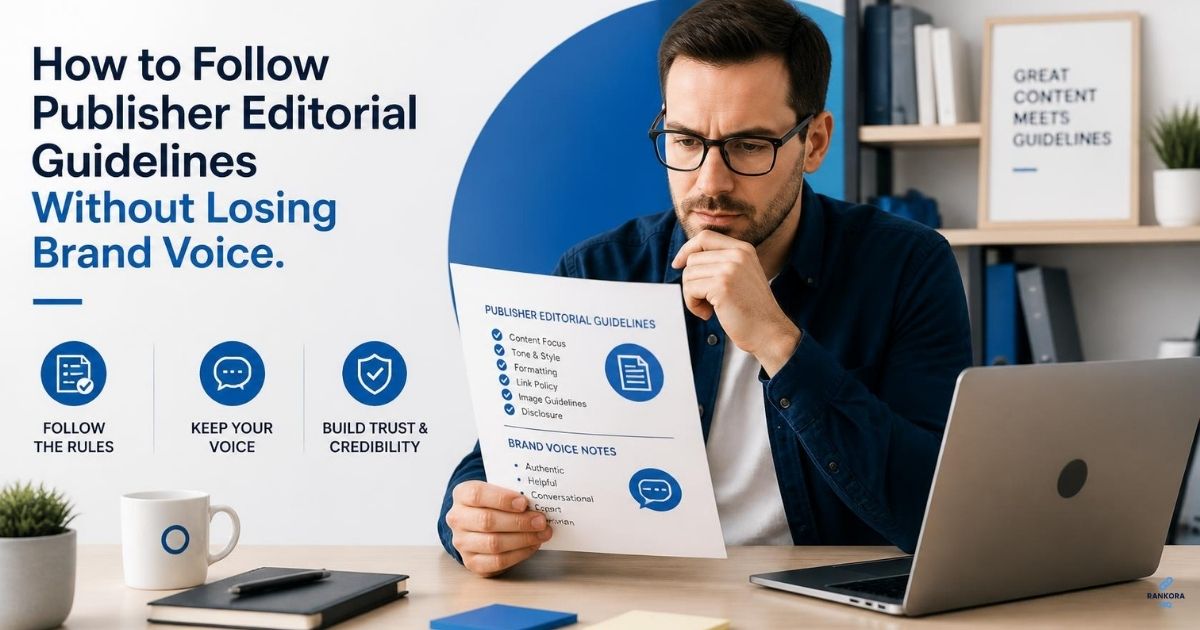
The simple rule I use is this: the publisher controls the container, but the brand controls the meaning.
When Publisher Requirements Must Lead
Publisher requirements should come first when they are tied to editorial approval. This includes word count, heading style, link limits, anchor text rules, citation standards, image use, tone level, and formatting.
If a publisher says no sales language, no exact-match anchor, or no unsupported claim, those rules should not be treated as suggestions. Ignoring them usually creates revisions or rejection.
The client’s idea can still stay intact, but it must be shaped to fit the publication’s standards.
When Brand Guardrails Should Stay Firm
Brand guardrails should stay firm when changes would make the client sound inaccurate, weak, or off-position.
For example, if a client is known for direct, expert-level advice, the article should not become vague just because the publisher prefers a softer tone. The wording can be adjusted, but the authority should remain.
The same applies to values, claims, audience focus, and point of view. A guest post should sound native to the publisher, but it should not feel disconnected from the brand behind it.
How to Handle Conflicts Before Writing
Most problems happen when agencies start writing before comparing both sets of rules. I prefer checking publisher requirements and brand guidelines side by side before the draft begins.
How to Read Contributor Guidelines Before Writing
Contributor guidelines should be reviewed before the outline, not after the draft is written. They tell you what the publisher expects, what they reject, and how much freedom you have with tone, links, sources, and formatting.
For agencies, this step prevents wasted writing time and reduces revision cycles.
Check Audience, Topic Fit, and Article Type
Start by checking who the publisher writes for. A topic that works for founders may need a different angle for SEO managers, SaaS marketers, or agency owners.
Then review the article type they prefer. Some publishers want tutorials. Some prefer opinion pieces, case studies, list posts, or data-backed guides.
This helps you shape the client’s idea into a format the publisher already accepts.
Review Link Rules and Citation Requirements
Link rules should be checked early because they often affect the whole draft. Look for limits on promotional links, homepage links, landing pages, exact-match anchors, and the number of external links allowed.
Also check citation rules. Some publishers only accept high-authority sources, recent statistics, or original examples. Others may reject weak claims without proof.
When you know these rules upfront, you can build the article around acceptable evidence and natural link placement.
Mark Anything That Conflicts With the Client Brief
Compare the publisher’s rules with the client’s content brief before writing. This is where you catch problems early.
How to Adapt Tone Without Sounding Generic
Adapting tone means making the article feel right for the publication without removing the client’s personality. Publisher editorial guidelines may ask for a certain style, but the content should still reflect the client’s expertise and point of view.
The risk is going too far. When agencies over-adjust tone, the article can start sounding like any other guest post.
Match the Publication’s Tone Without Copying It
Study how the publisher usually speaks to its audience. Look at sentence length, heading style, examples, level of formality, and how directly they explain ideas.
Then adjust the draft to fit that rhythm. If the publication uses simple, practical language, avoid heavy industry wording. If it prefers expert commentary, keep the tone more confident and insight-driven.
The goal is fit, not imitation.
Keep the Client’s Opinion and Expertise Clear
A strong brand voice has a clear point of view. It does not just repeat safe, obvious advice.
Even when the tone becomes more editorial, the client’s expertise should still show through specific examples, practical advice, and confident statements.
For example, instead of saying, “Links are important for SEO,” the article should explain when a link actually adds value, why the placement matters, and what makes it editorially acceptable.
Remove Sales Language, Not Brand Personality
Most publishers reject content that sounds too promotional. That means agencies should remove hard selling, exaggerated claims, and forced brand mentions.
But removing sales language does not mean making the article boring. The client can still sound helpful, sharp, experienced, and direct.
A good adaptation keeps the brand’s personality while making the article useful enough for the publisher’s audience.
How to Handle Links, Brand Mentions, and Promotional Wording
Links and brand mentions are where publisher rules and client expectations often clash. The client wants visibility, but the publisher wants useful, non-promotional content that serves the reader first.
The best approach is to make every link and mention feel earned, relevant, and editorial.
Use Natural Anchors That Fit Publisher Requirements
Most publishers prefer natural anchor text over keyword-heavy anchors. If the anchor looks forced, commercial, or written only for SEO, it may get rejected.
A good anchor should fit the sentence smoothly and help the reader understand what they will find next. Instead of forcing an exact keyword, use descriptive wording that supports the topic.
This keeps the link compliant without making the content feel manipulated.
Keep Brand Mentions Limited and Useful
Brand mentions should appear only when they add context. Repeating the client’s name too often can make the article sound sponsored, even if the information is helpful.
I usually keep brand mentions light and natural. One clear mention, supported by a useful point, is often stronger than several forced references.
The article should build trust through insight first. The brand benefits more when the content feels credible.
Replace Promotional Claims With Helpful Context
Publishers often reject phrases like “best,” “leading,” “top-rated,” or “guaranteed” unless there is proof behind them.
Instead of saying the client is the best solution, explain the problem they solve, the process they follow, or the standards they use. That keeps the message strong without sounding like an ad.
Strong editorial content does not need heavy promotion. It earns attention by being useful, specific, and easy to trust.
How to Adapt Evidence, Citations, and Formatting
Evidence and formatting help the article meet the publisher’s editorial standards. A strong draft can still be rejected if claims are unsupported, sources are weak, or formatting does not match the publication.
This step is about making the content easy for the editor to trust, review, and publish.
Use Sources the Publisher Will Trust
Publisher requirements often explain what types of sources are acceptable. Some prefer original research, industry studies, government data, expert commentary, or respected industry publications.
Avoid using weak blogs, outdated statistics, or sources that look self-serving. If a claim matters, support it with a credible reference.
Good sourcing protects both the publisher and the client’s brand. It shows the article was written with care, not just built around a backlink.
Format Headings, Bullets, Images, and Examples Correctly
Formatting should match the publisher’s style before submission. Check heading levels, paragraph length, bullet style, image rules, captions, and any special formatting notes.
Small formatting issues may seem minor, but they create extra work for editors. That can slow down approval.
For agencies, clean formatting also makes the client look more professional. It shows that the content was prepared for the publisher, not pasted from a generic brief.
Check Claims Before Submission
Every claim should be checked before the article is sent. This includes statistics, product statements, industry trends, comparisons, and anything that sounds like a promise.
If the client wants to make a strong claim, make sure it is either backed by evidence or softened into a more balanced statement.
Publisher editorial guidelines exist to protect trust. When agencies verify claims before submission, they reduce revisions and keep the client’s brand voice credible.
Publisher Compliance and Brand Voice Checklist
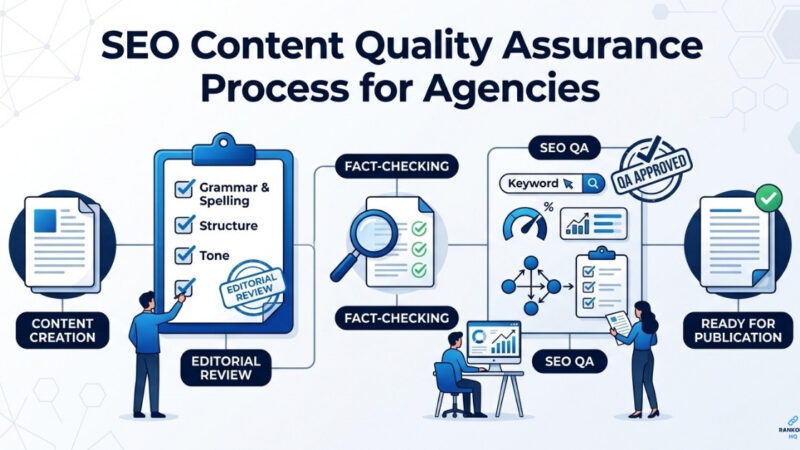
A checklist helps agencies review the article from both sides before submission. First, check whether the content follows the publisher’s rules. Then check whether it still sounds like the client’s brand.
This simple two-step review can prevent most editorial delays.
Publisher Compliance Checklist
Before sending the article to the publisher, review the basic requirements:
- Does the article match the required topic and format?
- Are headings, bullets, paragraphs, and images formatted correctly?
- Are links, anchors, and brand mentions within the rules?
- Are claims supported with credible sources?
- Is the tone suitable for the publisher’s audience?
This review keeps the draft aligned with the publication’s editorial standards.
Brand Voice Checklist
After checking publisher compliance, review the article for brand voice. The content should still reflect the client’s message, expertise, and positioning.
Ask these questions:
- Does the article support the client’s core point of view?
- Does it sound natural for the client’s audience?
- Are examples and explanations aligned with the client’s expertise?
- Has too much personality been removed during editing?
- Does the article build trust without sounding promotional?
This step protects the client’s identity while keeping the article editorial.
Common Mistakes Agencies Should Avoid
Most editorial adaptation problems happen because the agency focuses on only one side. Either the article follows the publisher’s rules but loses the client’s voice, or it keeps the brand voice but ignores the publisher’s standards.
A strong draft needs both.
Ignoring Small Publisher Rules
Small rules can still delay approval. This includes heading format, link placement, anchor style, image notes, citation format, paragraph length, and submission instructions.
Over-Editing Until the Client Voice Disappears
Some writers adjust the article so much for the publisher that the client’s voice becomes invisible. The content may be clean, but it sounds generic.
Forcing Links or Brand Mentions Into the Article
Forced links are one of the fastest ways to make a guest post feel promotional. If the link does not support the reader, it weakens the article.
Submitting Before Requirements Are Aligned
Agencies should not send a draft until publisher rules and client expectations are aligned. If there is a conflict, it should be solved before submission.
This includes link targets, anchor text, claims, CTA style, examples, tone, and sourcing.
A quick review before submission can prevent long revision cycles later.
Frequently Asked Questions
What are publisher editorial guidelines?
Publisher editorial guidelines are rules that explain how a publication wants submitted content written, formatted, sourced, linked, and edited.
Why do publisher editorial guidelines matter for guest posts?
They matter because even strong content can be rejected if it does not match the publisher’s tone, structure, link rules, or editorial standards.
How can agencies follow guest post guidelines without losing brand voice?
Agencies should let the publisher control format and compliance while keeping the client’s core message, expertise, and point of view clear.
What parts of brand voice should stay consistent?
The client’s positioning, values, audience focus, opinion, and style of explaining problems should stay consistent across every guest post.
What should be adapted for the publisher?
Tone level, formatting, heading style, citations, link placement, examples, and promotional wording should be adapted to match the publisher’s requirements.
What if the client brief conflicts with publisher requirements?
Flag the conflict before writing and adjust the draft plan so the content can meet publisher rules without damaging the client’s message.
How many brand mentions should a guest post include?
Brand mentions should be limited and used only where they add context or value. Too many mentions can make the article sound promotional.
What is the best way to check content before submission?
Use a two-part checklist: first review publisher compliance, then review whether the article still reflects the client’s brand voice.
Conclusion
Publisher rules control the format, but brand voice controls the identity. That is the balance agencies need to protect when writing guest posts for clients.
The article should match the publisher’s structure, tone, links, sourcing, and formatting rules. At the same time, it should still carry the client’s point of view, expertise, and positioning.
In my experience, the best way to avoid revisions is to review both sides before writing: publisher compliance first, brand voice second. If your agency needs help creating editorial content that fits publisher requirements without losing client identity, Rankora HQ can help with SEO content writing and editorial content placement built for agency workflows.
Author Bio
Muhammad Awais is the founder of Rankora HQ, a white-label editorial content placement service based in Salalah, Oman. He helps SEO agencies and brands build topical authority through high-quality publishing partnerships on DR 40-90 editorial sites.