Not every niche edit helps an SEO campaign. Some spammy niche edits look valuable at first because they come from pages with strong metrics, but a closer review often reveals unnatural placements, irrelevant topics, or manipulated link patterns. Approving these links without proper analysis can create weak backlink profiles and waste your client’s budget.
In my experience working with SEO agencies, the biggest problems usually appear when links are added without editorial value. Spammy niche edits often show clear warning signs, such as forced anchor text, sudden page topic changes, excessive outbound links, or content created only to sell placements. This guide explains how to identify spammy niche edits before approval and avoid risky link insertions that can harm long-term SEO efforts.
What Are Spammy Niche Edits and Why Are They Risky?
Spammy niche edits are link insertions added mainly to manipulate rankings instead of improving the reader’s experience. These placements often lack relevance, appear unnatural, or exist only because someone wanted to add a backlink.
A good niche edit should feel like a natural recommendation inside useful content. When a link looks forced or unrelated, it becomes a risky placement that may provide little SEO value.
When a Niche Edit Becomes Spammy
A niche edit becomes spammy when the backlink does not match the purpose of the page. For example, adding a link to a software company inside an unrelated health article creates a weak connection.
Another warning sign is when the surrounding sentence feels rewritten only to include a keyword or link. Readers should not feel that the content was changed just to place a backlink.
Why Agencies Should Detect Risky Placements Early
SEO agencies approve niche edits on behalf of clients, so identifying problems before publication is important. A poor-quality link can waste campaign resources and create an unnatural backlink pattern.
Before approving any placement, agencies should look beyond basic metrics like domain rating. The page topic, link context, anchor text, and overall content quality reveal whether the placement is genuinely valuable or just another spammy link.
Check for Unnatural Link Placement and Poor Context
A risky niche edit often becomes obvious when the link placement feels unnatural. The backlink should support the topic and provide value to readers. If the link looks added only for SEO purposes, it is a warning sign.
Before approving a placement, agencies should review the surrounding content, sentence flow, and relationship between the link and the page topic.
Links That Feel Added After the Content Was Published
One common red flag is a link that does not naturally fit into the existing article. The sentence may sound awkward, or the paragraph may suddenly shift direction just to mention a product or service.
For example, a detailed informational article may include a random commercial link that has no connection with the original topic. These placements often indicate paid insertions without proper editorial review.
Missing Topical Connection Between Page and Link
A quality niche edit should have a clear connection between the page content and the linked website. If the topic, audience, and purpose do not match, the backlink becomes a weak contextual signal.
Irrelevant placements are common signs of risky link insertions. Agencies should avoid links where the page topic and destination website serve completely different audiences or industries.
Look for Niche Edit Red Flags in Page History
Page history can reveal whether a niche edit is natural or part of a manipulated link-building strategy. A page that suddenly changes direction or becomes focused on unrelated commercial topics may indicate a risky placement.
Before approving a link, agencies should check whether the page has a consistent purpose over time or if it was modified mainly to attract backlinks.
Sudden Topic Changes on Existing Pages
One major niche edit red flag is a sudden change in the page’s original topic. An article that was previously about one subject but later shifts toward unrelated products or services may have been altered for link placement.
For example, an old informational article that suddenly starts promoting software, loans, or commercial services without a clear reason deserves closer review.
Pages Created Mainly for Link Placement
Some pages are built with the primary goal of hosting backlinks rather than helping readers. These pages often contain generic content, weak explanations, and multiple unrelated commercial links.
Low-quality content combined with unnatural link patterns can indicate spammy backlinks. A valuable niche edit should exist inside useful content that serves a real audience, not inside a page created only for selling placements.
Analyze Anchor Text Patterns Before Approving a Link
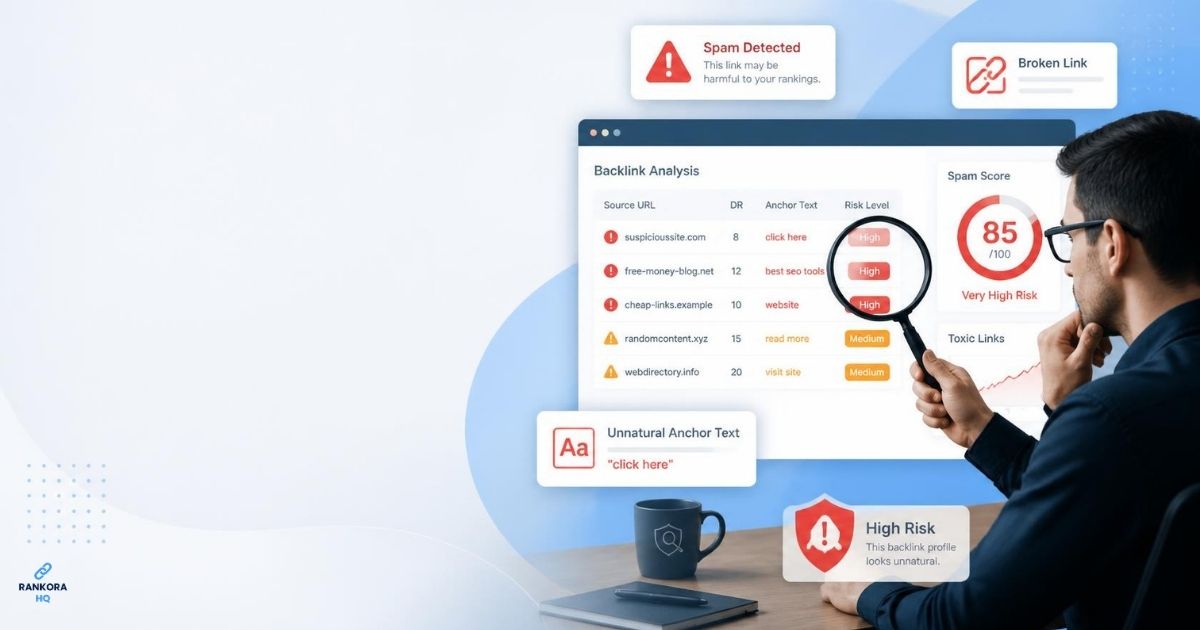
Anchor text is one of the easiest ways to identify risky niche edits. Natural backlinks usually have varied anchor text that fits the content, while manipulated links often rely on repeated keywords and commercial phrases.
Agencies should review whether the anchor improves the reader’s understanding or simply exists to influence search rankings.
Over-Optimized Exact Match Anchors
Using exact-match keywords repeatedly is a common sign of spammy backlinks. If multiple niche edits use the same keyword-rich anchor pointing to similar pages, the pattern can look unnatural.
For example, using the exact phrase “best accounting software” across many placements without variation may indicate artificial link building rather than genuine recommendations.
Commercial Anchors That Do Not Fit the Sentence
A commercial anchor should feel natural within the surrounding content. When a keyword is forced into a sentence or disrupts readability, it becomes a warning sign.
Poorly placed anchors often show that the link was added for SEO value rather than helping users. A quality niche edit should blend naturally with the content and provide relevant information to readers.
Identify Link Farm Niche Edits and Manipulated Networks
Some niche edits are part of larger link networks created only to sell backlinks. These placements often appear on websites with unnatural linking patterns, low-quality content, and little focus on real users.
Agencies should look for patterns across pages and websites instead of judging a placement only by individual metrics.
Excessive Outbound Links on a Page
A page with too many outbound links can be a warning sign, especially when those links point to unrelated industries or commercial websites. This often suggests the page exists mainly to host paid placements.
Quality editorial pages usually link when it improves the reader’s experience. A page filled with random backlinks may indicate link farm niche edits rather than genuine recommendations.
Similar Link Patterns Across Multiple Websites
Repeated patterns across different websites can reveal manipulated link networks. Common signs include similar anchor text, identical placement styles, and articles that contain many unrelated commercial links.
When multiple websites show the same unnatural behavior, agencies should be cautious. These patterns often indicate websites built around selling links instead of providing valuable content.
How to Review a Niche Edit Placement Before Approval
A manual review helps agencies identify risky placements before they become part of a client’s backlink profile. Instead of checking only domain metrics, review the page context, content quality, and link placement together.
A good niche edit should look like a natural editorial recommendation, not a backlink added only to influence rankings.
Step 1: Review the Page Topic and Original Purpose
Start by checking what the page was originally created for. The topic should match the linked website and provide useful information to the same audience.
If the page topic has changed completely or the link feels unrelated, it may be a sign of a manipulated placement.
Step 2: Examine Surrounding Content Quality
The content around the link should be useful, well-written, and relevant to the reader. Thin content, generic paragraphs, or unnatural sections added around the link are warning signs.
A strong niche edit fits inside valuable content instead of being placed in a weak article created only for backlinks.
Step 3: Check Existing Links and Anchor Distribution
Review other links on the page to identify unusual patterns. Too many commercial links, repeated keywords, or unrelated destinations can indicate poor-quality link practices.
Natural pages usually have balanced linking patterns that support users rather than focus only on SEO.
Step 4: Decide If the Link Adds Real Value
The final question is simple: would this link make sense even without SEO benefits?
If the answer is no, the placement may be a risky niche edit. Valuable links should improve the reader’s experience and provide additional helpful information.
Common Mistakes Agencies Make When Accepting Risky Niche Edits
Many agencies approve niche edits too quickly because they focus on surface-level metrics instead of evaluating the actual placement. A backlink can have strong numbers but still be a poor-quality link if the context is weak.
Understanding common mistakes helps teams avoid approving risky link insertions that provide little value.
Relying Only on DR and Metrics
Domain Rating, traffic, and authority metrics can help during evaluation, but they should not be the only factors. A high-DR website can still contain irrelevant pages, poor content, or unnatural link patterns.
Agencies should always review the specific page where the link will appear. Page-level quality often matters more than overall domain metrics.
Ignoring Context Because the Price Looks Attractive
Low-cost placements can be tempting, but cheap links often come with hidden quality issues. A discounted niche edit is not valuable if it comes from a page with weak relevance or spam signals.
The goal should be finding editorial placements that support long-term SEO growth, not collecting backlinks based only on price.
Spammy Niche Edits vs Legitimate Editorial Link Insertions
Not every niche edit is risky. The difference comes down to relevance, placement, and whether the link genuinely helps readers. A legitimate editorial link supports the content, while a spammy placement exists mainly to manipulate rankings.
The following comparison highlights the key differences agencies should look for before approval:
| Factor | Spammy Niche Edit | Legitimate Editorial Link |
| Placement | Forced into existing content | Naturally fits the discussion |
| Relevance | Weak or unrelated topic connection | Strong topical match |
| Anchor Text | Over-optimized keywords | Natural and varied anchors |
| Content Quality | Thin or created for backlinks | Helpful and user-focused |
| Link Purpose | Ranking manipulation | Provides additional value |
A good niche edit should feel like part of the original article. If removing the backlink makes the content unchanged, the placement may not provide real editorial value.
Agencies should focus on whether the link improves the reader’s experience. Natural context and genuine relevance are stronger indicators of quality than metrics alone.
Frequently Asked Questions About Spammy Niche Edits
What are spammy niche edits?
Spammy niche edits are unnatural link insertions added mainly for SEO manipulation without providing real value to readers.
How can I identify risky link insertions?
Check the page relevance, anchor text, link placement, content quality, and outbound link patterns before approval.
Are all niche edits bad for SEO?
No. Legitimate niche edits can work well when they are relevant, natural, and placed inside valuable content.
What are the biggest niche edit red flags?
Common warning signs include irrelevant topics, forced anchors, sudden page changes, excessive links, and low-quality content.
Can spammy backlinks affect SEO campaigns?
Yes. Low-quality and unnatural backlinks can weaken a website’s link profile and reduce campaign effectiveness.
Conclusion: Identify Risky Niche Edits Before They Impact Campaigns
Finding valuable niche edits requires more than checking metrics. Agencies need to analyze link placement, page relevance, anchor text, content quality, and possible manipulation signals before approval.
By identifying warning signs early, you can avoid spammy niche edits and focus on editorial placements that support long-term SEO results. At Rankora HQ, I focus on transparent link-building processes where every placement is reviewed for relevance, quality, and real editorial value before going live.
Author Bio
Muhammad Awais is the founder of Rankora HQ, a white-label editorial content placement service based in Salalah, Oman. He helps SEO agencies and brands build topical authority through high-quality publishing partnerships on DR 40-90 editorial sites.
LinkedIn: linkedin.com/in/muhammad-awais-seo-outreach