Getting a niche edit published is only the first step in a successful link-building campaign. A link that goes live today may change tomorrow because of content updates, link removals, page deletions, or publisher decisions. Without proper monitoring, agencies can lose valuable placements without knowing when or why it happened.
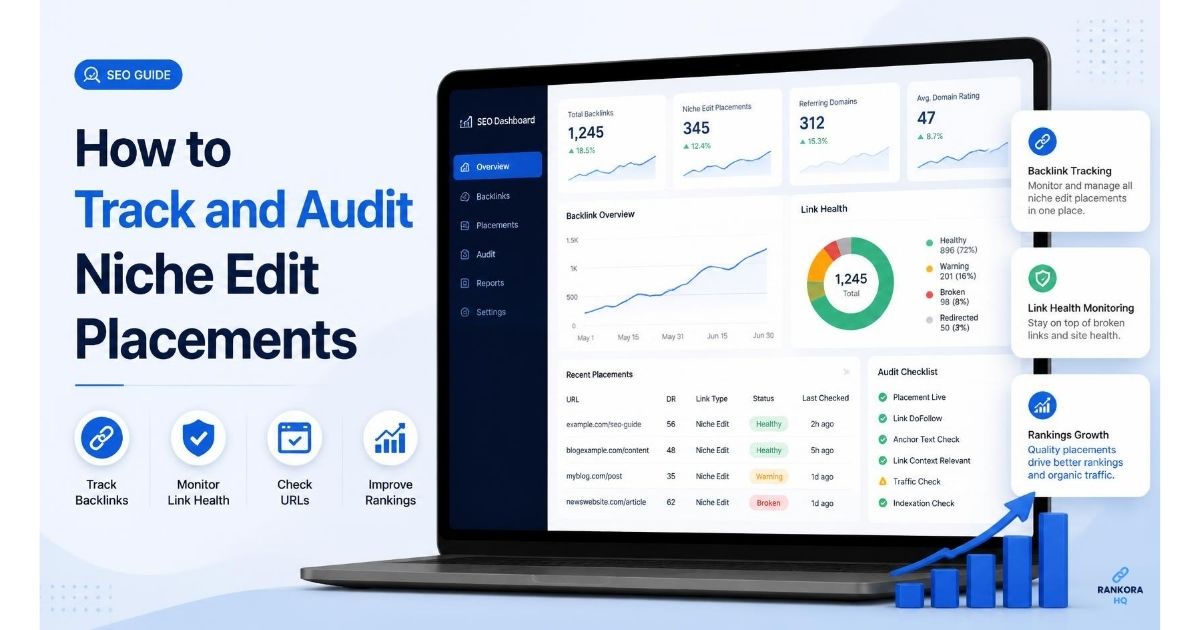
To track niche edit placements effectively, agencies need a clear system that monitors live URLs, link status, indexation, anchor text, and page changes. A consistent niche edit tracking process helps maintain placement quality, improve client reporting, and ensure every backlink continues to support long-term SEO goals.
Why Tracking Niche Edit Placements Matters
Tracking niche edit placements helps agencies protect the value of their link-building campaigns. A published link does not always remain unchanged. Publishers may update articles, remove links, edit anchors, or delete pages over time.
A proper monitoring process allows agencies to identify problems quickly and maintain the quality of every placement they build.
Protect Your Link-Building Investment
Niche edits require time, budget, and strategic planning. Losing a valuable placement without noticing can reduce the impact of an entire campaign.
Regular tracking helps agencies confirm that:
- The link is still live
- The target URL is correct
- The anchor text remains unchanged
- The placement page is still relevant
Maintain Quality Control Across Multiple Placements
Managing multiple niche edits manually becomes difficult as campaigns grow. A tracking system gives agencies a clear overview of every published link.
By reviewing placement status regularly, agencies can detect issues early and take action before a valuable backlink loses its benefit.
Improve Client Transparency
Clients want to know whether their link-building investment is performing as expected. Detailed niche edit tracking provides accurate updates about placement health and campaign progress.
Sharing information such as active links, indexation status, and review history helps agencies build trust and show the real value of their work.
What Should You Track After a Niche Edit Placement?
Tracking the right data helps agencies understand whether a niche edit remains valuable after publication. A complete tracking system should monitor link details, page health, indexation, and any changes that may affect the placement.
By recording these details consistently, agencies can quickly identify problems and maintain better control over their campaigns.
Placement Details and Link Information
Every niche edit tracker should include basic placement information. This makes it easier to review and manage multiple links across different publishers.
Important details to record include:
- Placement URL
- Target URL
- Publisher domain
- Page category or topic
- Publication date
- Anchor text used
Tracking these details helps confirm that each placement matches the original campaign requirements.
Link Status and Page Health
A live placement does not always mean a healthy placement. Agencies should regularly check whether the link is still active and pointing to the correct destination.
Monitor:
- Link availability
- Correct target URL
- Redirect changes
- Page accessibility
- Link attributes such as follow, nofollow, or sponsored
These checks help identify technical issues that could reduce the value of a niche edit.
Indexation and Contextual Relevance
A niche edit should remain visible and relevant to provide long-term value. Agencies should check whether the placement page is indexed and whether the surrounding content still supports the link.
Important areas to review:
- Google index status
- Content updates
- Changes in article context
- Relevance between the link and surrounding content
Regular reviews ensure that placements continue to support SEO goals instead of becoming outdated or irrelevant.
How to Create a Niche Edit Tracking System
A niche edit tracking system helps agencies organize placement data and monitor link performance over time. Instead of checking links manually, a structured process makes it easier to manage multiple placements and identify changes quickly.
A simple tracking system should combine accurate records, regular reviews, and clear reporting.
Build a Placement Tracking Sheet
A tracking sheet provides a central place to store all niche edit information. It allows teams to quickly review placement status without searching through emails or previous reports.
Important fields to include:
- Publisher domain
- Placement URL
- Target URL
- Anchor text
- Link status
- Indexation status
- Last review date
- Notes about changes
Keeping this information updated makes future audits faster and more reliable.
Set a Regular Monitoring Process
Tracking niche edit placements works best when agencies follow a consistent review schedule. Each placement should be checked after publishing and during future audits.
A simple workflow includes:
- Add the placement after publication
- Verify link details
- Check indexation and page status
- Record any changes
- Update reports when needed
This process helps agencies maintain control over their link portfolio and catch issues early.
Combine Manual Reviews With SEO Tools
Manual checks are useful for reviewing relevance and content changes, while SEO tools help monitor technical link updates.
Agencies can use tools and dashboards to track:
- Lost links
- Link status changes
- Page availability
- Historical placement data
Combining both methods creates a more complete niche edit monitoring system.
Niche Edit Audit Checklist
A regular audit helps agencies confirm that niche edit placements are still active, relevant, and delivering value. A simple checklist makes the review process consistent and prevents important details from being missed.
Verify Placement Status
The first step is confirming that the published placement is still available and working correctly.
Check:
- The placement URL is live
- The inserted link still exists
- The link points to the correct destination page
- The page loads without errors
These checks help identify lost or broken placements quickly.
Review Link Quality
A niche edit should remain relevant after publication. Agencies should review the link details and surrounding content to ensure the placement still meets quality standards.
Review:
- Anchor text accuracy
- Link attribute (follow, nofollow, sponsored)
- Context around the link
- Relevance of the article topic
If the content changes significantly, the link may lose some of its original value.
Record Audit Results
Every audit should be documented for future reference. Recording review dates and findings helps agencies track placement history and manage large campaigns.
Include:
- Audit date
- Current link status
- Problems found
- Required actions
- Next review date
A documented audit process makes niche edit monitoring more organized and transparent.
How Often Should You Audit Niche Edit Placements?
The frequency of niche edit audits depends on the importance of the campaign and the number of placements being managed. Regular reviews help agencies detect link issues early and maintain placement quality over time.
A consistent audit schedule ensures that valuable links remain active and aligned with SEO goals.
Initial Check After Publication
The first audit should happen shortly after the niche edit goes live. This confirms that everything was published according to the agreement.
Check:
- Link placement accuracy
- Anchor text
- Target URL
- Link attribute
- Page availability
This step catches early mistakes before they affect campaign results.
30-Day Placement Review
A 30-day review helps agencies confirm that the placement remains stable after the initial publishing period.
During this review, check:
- Link still exists
- Page is indexed
- Content remains relevant
- No unexpected changes were made
This is an important checkpoint for identifying early placement issues.
Long-Term Monitoring
Important campaigns should be reviewed every 60–90 days to maintain link quality. Publishers may update content, remove links, or change pages months after publication.
Ongoing monitoring helps agencies maintain accurate records and protect the long-term value of their niche edit placements.
Tools for Tracking Niche Edit Placements
The right tools help agencies monitor link status, placement changes, and campaign progress. A combination of tracking sheets, SEO platforms, and reporting systems creates a reliable niche edit monitoring process.
Backlink Monitoring Tools
SEO tools help agencies identify changes in backlink profiles and detect lost or modified placements.
These tools can help monitor:
- Lost links
- Link status changes
- New or removed backlinks
- Historical link data
They provide faster visibility when a niche edit needs attention.
Spreadsheet Trackers
A simple spreadsheet is still useful for managing niche edit placements, especially for smaller campaigns.
Agencies can use spreadsheets to record:
- Placement details
- Audit dates
- Link status
- Review notes
- Follow-up actions
A well-organized tracker keeps all placement information in one place.
SEO Reporting Dashboards
Reporting dashboards help agencies organize tracking data and share updates with clients.
Dashboards can display:
- Active placements
- Link health
- Indexation status
- Audit history
- Campaign notes
This makes niche edit reporting clearer and helps agencies maintain transparency with clients.
Common Problems Found During Niche Edit Audits
Regular audits help agencies identify problems that can reduce the value of niche edit placements. Finding these issues early allows teams to take corrective action and protect campaign performance.
Link Removed From the Article
One of the most common issues is a publisher removing the inserted link after publication. This can happen because of content updates, editorial changes, or website maintenance.
Agencies should regularly verify that the link is still present and contact the publisher if a valuable placement disappears.
Page Updated or Rewritten
Publishers may update existing articles over time. These changes can affect the context, relevance, or position of the inserted link.
During audits, agencies should check whether:
- The surrounding content remains relevant
- The anchor text still fits naturally
- The page topic has not changed significantly
Page Deindexed or Deleted
A page that loses indexation or gets removed can reduce the SEO value of a niche edit. Regular indexation checks help agencies identify these problems quickly.
If a page is deleted or no longer valuable, agencies can document the issue and decide on the next action.
Anchor Text or Link Details Changed
Unexpected changes to anchor text or link attributes can affect campaign goals. Agencies should compare current link details with the original placement record.
Tracking these changes ensures that every niche edit remains aligned with the approved strategy.
How Agencies Report Niche Edit Performance
Clear reporting helps agencies show clients the current health and progress of their niche edit campaigns. A detailed report should provide accurate placement information instead of only showing completed links.
Important Reporting Metrics
A niche edit report should include the key details that show placement quality and stability.
Important metrics include:
- Placement URL
- Link status
- Indexation status
- Anchor text verification
- Target page
- Review history
These details help agencies and clients understand whether placements are still active and valuable.
Build Client Confidence Through Transparency
Transparent reporting builds trust between agencies and clients. When clients can see placement status, audit dates, and any changes, they have a clearer view of campaign performance.
A consistent reporting process also helps agencies identify problems early and maintain better control over long-term link-building campaigns.
Frequently Asked Questions
How do you track niche edit placements?
You can track niche edits by monitoring placement URLs, link status, anchor text, indexation, and page changes through a tracking system.
How often should you audit niche edit placements?
Most agencies review placements after publishing, at 30 days, and then every 60–90 days for ongoing quality checks.
What information should be included in a niche edit tracker?
A tracker should include the placement URL, target URL, publisher domain, anchor text, link status, indexation status, and review dates.
Why is niche edit tracking important?
Niche edit tracking helps agencies detect removed links, content changes, and other issues that may reduce backlink value.
What happens if a niche edit link is removed?
Agencies should record the change, contact the publisher if needed, and decide whether to replace or recover the lost placement.
Can niche edit placements lose their SEO value over time?
Yes, placements can lose value if pages are deleted, deindexed, rewritten, or the link becomes irrelevant to the content.
Conclusion
Niche edit placement is only the beginning of a successful link-building campaign. Without regular monitoring, agencies may miss important changes that affect link value, such as removals, page updates, or indexation issues.
A proper niche edit tracking system helps agencies maintain placement quality, improve reporting accuracy, and protect long-term SEO investments. By reviewing link status, page health, and contextual relevance regularly, agencies can create more reliable campaigns and provide greater transparency to clients.
Author Bio
Muhammad Awais is the founder of Rankora HQ, a white-label editorial content placement service based in Salalah, Oman. He helps SEO agencies and brands build topical authority through high-quality publishing partnerships on DR 40-90 editorial sites.
LinkedIn: linkedin.com/in/muhammad-awais-seo-outreach