Many SEO agencies want to offer link building without hiring a full outreach team. However, managing prospecting, content, publisher communication, and reporting can quickly consume time and resources. So, what is white label link building, and how does it help an agency deliver this work under its own brand?
In simple terms, white-label link building means an outside provider completes the campaign while the agency manages the client relationship. Understanding what is white label link building helps agencies decide what to outsource, what to control internally, and how to maintain quality. This guide explains the fulfillment model, common methods, responsibilities, reporting, pricing, risks, and client expectations.
What Is White-Label Link Building?
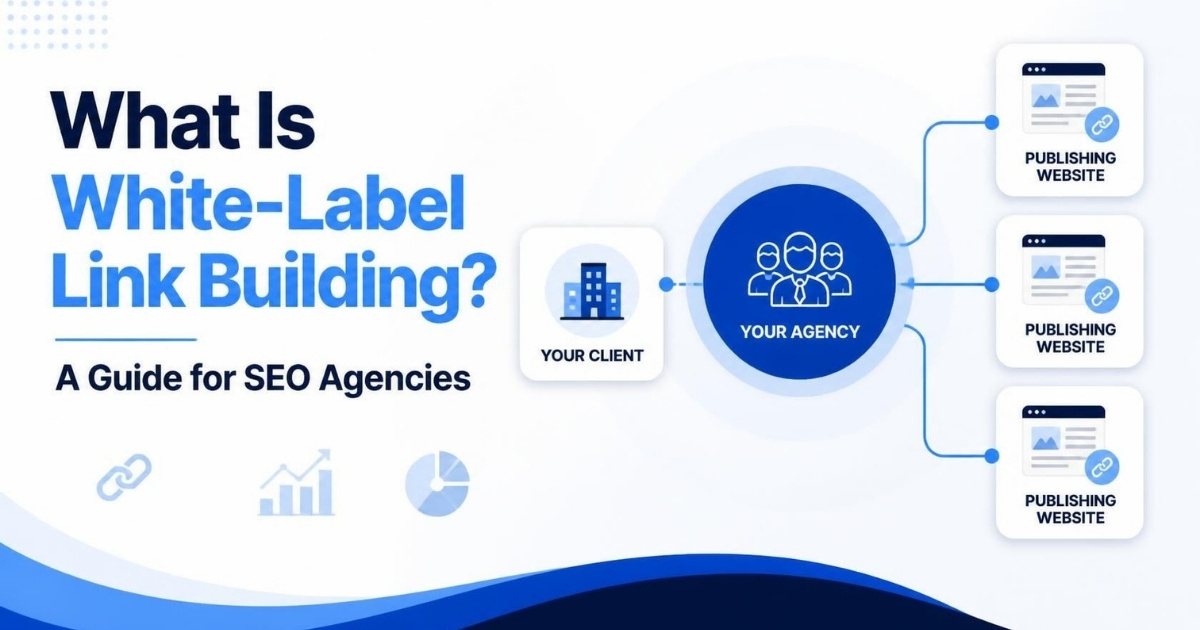
White-label link building is an arrangement where a specialist provider fulfills link-building work for an SEO agency under the agency’s brand. The agency sells and manages the service, while the provider handles agreed tasks such as research, outreach, content coordination, placements, and reporting.
A Simple Definition
In practical terms, an agency hires an outside team to build backlinks for its clients without showing the provider’s name. The completed work is presented as part of the agency’s own SEO offering.
This model allows agencies to add link building without creating an internal outreach department. However, the agency still remains responsible for campaign quality and client expectations.
The Agency, Provider, and Client Relationship
A white-label campaign normally involves three parties:
- The client purchases SEO services from the agency.
- The agency manages the strategy, communication, and approvals.
- The provider completes the agreed link-building work behind the scenes.
The client usually communicates only with the agency. The provider sends campaign updates and deliverables to the agency, which then shares them through its own branded reports.
White Labeling vs. Ordinary Outsourcing
White labeling is a form of outsourcing, but the two terms are not identical. Ordinary outsourcing simply means hiring another person or company to complete a task.
White labeling goes further because the work is delivered under the hiring agency’s identity. Reports, documents, and communication can carry the agency’s branding rather than the provider’s.
In my experience, this distinction matters because agencies need more than completed backlinks. They also need a fulfillment process that fits naturally into their existing client service.
White-Label Provider vs. Link-Building Reseller
A white-label provider usually manages campaign fulfillment, including research, publisher selection, content, outreach, and reporting. A link-building reseller may simply sell placements sourced from another company or marketplace.
The terms are sometimes used interchangeably, so agencies should review what is actually included. The important question is not the label. It is whether the provider offers transparent sourcing, reliable quality control, agency approvals, and unbranded delivery.
How the White-Label Fulfillment Model Works
The white-label fulfillment model divides campaign responsibilities between the SEO agency and an outside link-building provider. The agency remains the main point of contact for the client, while the provider completes the agreed work behind the scenes.
The Agency Collects the Client Brief
The agency first gathers the client’s goals, target pages, preferred markets, budget, and campaign requirements. A clear brief helps the provider understand what the campaign should achieve and which types of placements may be suitable.
The Provider Plans and Fulfills the Campaign
The provider reviews the requirements and prepares the campaign approach. Depending on the agreement, this may include backlink research, publisher prospecting, outreach, content creation, placement coordination, and link verification.
The Agency Reviews and Approves the Work
The agency should review proposed publishers, content, anchor text, and target pages before publication. This approval step gives the agency greater control and reduces the risk of unsuitable placements going live.
In my experience, the strongest fulfillment relationships are built around transparency. Nothing should be published without the agency understanding what it is approving.
Results Are Delivered Under the Agency’s Brand
Once links are published, the provider sends the campaign details to the agency. Reports can then be presented using the agency’s branding, with no provider logos or direct references to the fulfillment partner.
Who Manages the Client Relationship?
The agency normally manages all client communication, including updates, questions, approvals, and expectations. The provider communicates with the agency rather than contacting the end client directly.
This structure allows the agency to maintain ownership of the relationship while relying on specialist support for campaign delivery.
Common White-Label Link-Building Methods and Use Cases
White-label providers may use several link-building methods depending on the client’s industry, goals, and budget. Agencies should understand the basic differences so they can recommend the right approach without treating every campaign the same.
Guest Posting and Editorial Placements
Guest posting involves creating useful content for relevant third-party websites and including a natural link to the client’s page. This method can support authority, referral traffic, and topical relevance when the publisher and content are carefully selected.
Niche Edits and Link Insertions
A niche edit places a link inside an existing article that already relates to the client’s topic. It can be faster than publishing a new guest post, but the placement must fit the content naturally and add value for readers.
Digital PR and Outreach Campaigns
Digital PR focuses on earning editorial links through newsworthy stories, expert commentary, research, or original data. These campaigns can attract strong publications, but results are less predictable and often require more planning.
Content-Led Link Acquisition
Some campaigns use guides, reports, tools, statistics, or other useful assets to attract backlinks. The provider promotes the asset to relevant publishers, while the agency makes sure it supports the client’s wider SEO strategy.
Common Agency and Client Use Cases
SEO agencies often use white-label fulfillment when they need more capacity, specialist outreach skills, or support in unfamiliar markets. It may be used for SaaS companies, local businesses, e-commerce stores, professional services, and other clients that need consistent off-page SEO support.
In my experience, the best method depends on the client’s website and goals. A strong campaign usually starts with strategy rather than choosing a link type based only on price or authority metrics.
Why SEO Agencies Outsource Link Building
SEO agencies outsource link building when they need specialist support without building a full in-house outreach team. This model helps them expand capacity, control operating costs, and focus more attention on strategy and client management.
Access to Specialist Skills and Relationships
Experienced providers already understand prospect research, outreach, content placement, and publisher evaluation. They may also have established relationships that help campaigns move more efficiently.
Increased Campaign Capacity
Client demand can rise faster than an agency can hire and train new staff. Outsourced link building gives agencies extra fulfillment capacity without placing the full workload on their internal team.
Lower Staffing and Training Requirements
An in-house link-building department requires outreach specialists, writers, editors, tools, and management time. Outsourcing can reduce these fixed costs because the agency pays for fulfillment based on its current needs.
Faster Service Expansion
White-label fulfillment allows an agency to add link building to its SEO packages without developing every process from the beginning. This can help the agency support new clients or enter different industries more quickly.
More Time for Strategy and Client Management
When a provider handles campaign execution, the agency can focus on audits, planning, reporting, and communication. In my experience, this division works best when both sides clearly understand their responsibilities.
When Outsourcing May Not Be the Best Option
Outsourcing is not suitable for every agency. An in-house or hybrid model may offer more control when link building is a core service, campaign volume is consistent, or clients require highly specialized outreach.
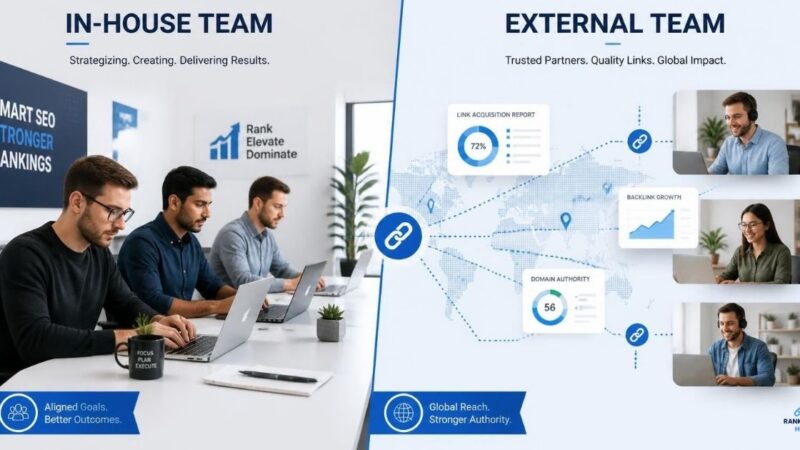
White-Label vs. In-House Link Building
White-label and in-house link building can both support agency growth, but they require different levels of investment, control, and management. The right model depends on the agency’s campaign volume, available resources, and service goals.
Team and Resource Requirements
An in-house model requires outreach specialists, writers, editors, SEO tools, and ongoing training. White-label fulfillment gives the agency access to these resources without building a complete internal department.
Cost and Scalability Differences
In-house teams create regular salary and software costs, even when client demand slows. A white-label model is often more flexible because agencies can increase or reduce campaign volume based on current client needs.
Control Over Campaign Execution
An internal team gives the agency direct control over prospecting, outreach, content, and publication. White-label fulfillment involves sharing some execution responsibilities, although the agency can still retain approval over publishers, anchors, and content.
Quality and Communication Responsibilities
With either model, the agency remains responsible for the results presented to the client. White-label agencies must review provider work carefully, while in-house teams need clear internal quality-control processes.
Choosing the Right Model
White-label fulfillment may suit agencies that need flexibility or specialist support. In-house link building may work better for agencies with stable volume and experienced staff.
In my experience, many agencies benefit from a hybrid model. They keep strategy and client communication in-house while outsourcing selected fulfillment tasks.
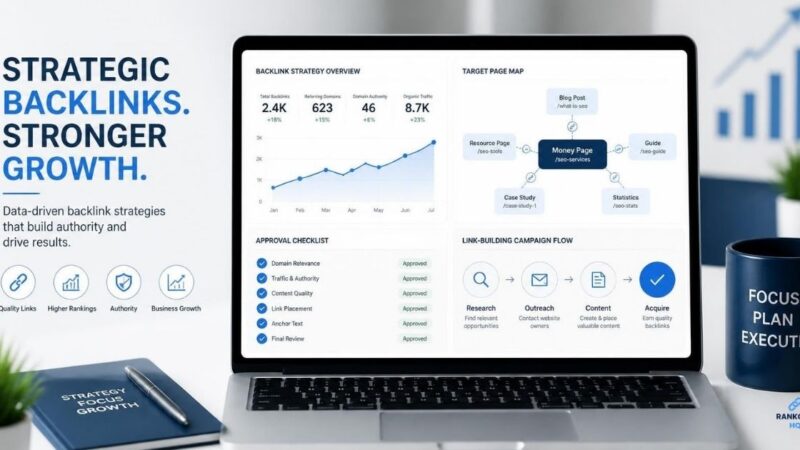
Campaign Planning and Quality Control
A strong white-label campaign starts with clear goals and careful review. Agencies should not judge success by the number of links alone. Each placement should support the client’s wider SEO strategy.
Setting Clear Campaign Goals
The agency should define what the campaign needs to achieve. Goals may include strengthening important pages, improving topical authority, supporting new content, or competing for specific search terms.
Selecting Target Pages and Anchor Text
Target pages should match the client’s priorities and provide real value to visitors. Anchor text should also feel natural and varied rather than repeating the same keyword across every placement.
Reviewing Publisher Quality
Agencies should check whether a publisher is relevant to the client’s industry and attracts genuine traffic. Content quality, publishing history, and outbound-link patterns often reveal more than a single authority score.
Approving Content and Placements
The agency should review proposed websites, content topics, links, and anchor text before publication. This approval process helps prevent irrelevant placements and keeps the campaign aligned with client expectations.
Sharing Quality-Control Responsibilities
The provider should research publishers, verify placements, and report campaign details accurately. The agency should review the work, communicate client requirements, and make final approval decisions.
Looking Beyond Authority Metrics
Metrics such as Domain Rating or Domain Authority can help with initial screening, but they do not prove that a website is trustworthy or relevant. In my experience, topical fit, real traffic, and editorial quality provide a clearer picture of backlink value.
Reporting, Communication, and Client Expectations
Clear reporting and communication help agencies maintain trust while an outside provider handles fulfillment. The agency should explain what the campaign includes, how progress will be reported, and what results the client can reasonably expect.
What a Campaign Report Should Include
A useful report should list each published URL, target page, anchor text, publication date, and relevant publisher details. The information should be accurate, easy to review, and free from unnecessary metrics.
Delivering Reports Under the Agency’s Brand
White-label reports should use the agency’s name, logo, and preferred format. This allows the agency to present the work as part of its own SEO service without exposing the fulfillment provider.
Communicating Progress and Delays
The agency should provide regular updates, even when no new links have been published. If outreach, content approval, or publication takes longer than expected, the client should receive a clear explanation rather than an unrealistic promise.
Setting Realistic Timelines
Link-building campaigns often involve research, outreach, content creation, and publisher approval. Agencies should provide estimated delivery windows while making it clear that exact publication dates may depend on third-party websites.
Explaining Results Without Promising Rankings
Backlinks can support authority and organic performance, but they cannot guarantee specific rankings or traffic increases. Agencies should report completed work honestly and explain that SEO results also depend on content quality, competition, technical performance, and other factors.
Handling Changed or Removed Links
Published pages may be updated, moved, or removed after delivery. Agencies should understand the provider’s replacement policy and explain these terms to clients before the campaign begins.
In my experience, clients respond better to clear expectations than exaggerated promises. Consistent updates and transparent reports make the fulfillment relationship easier to manage.
Pricing, Reselling, and Agency Margins
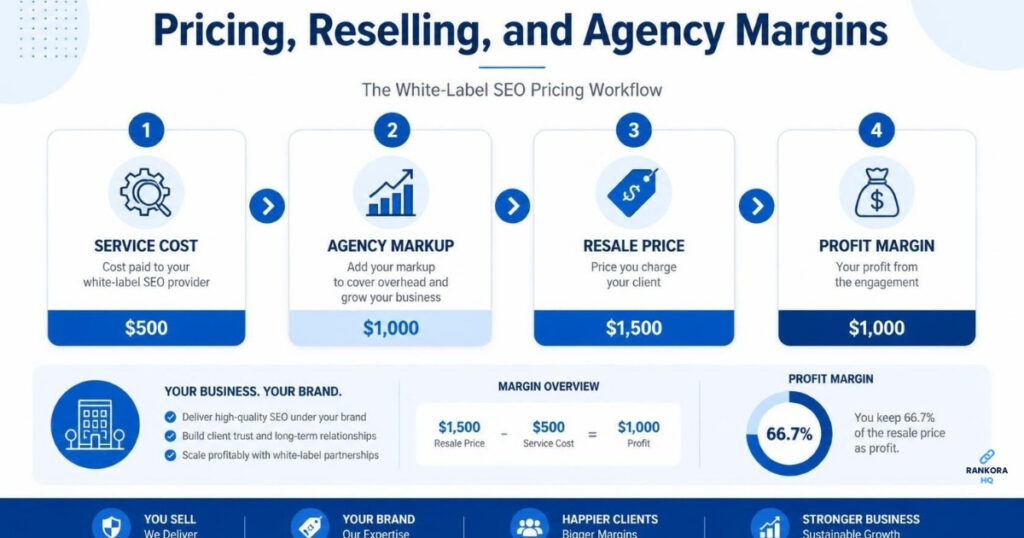
White-label pricing depends on the type of link, publisher quality, campaign difficulty, and level of support included. Agencies usually pay the provider’s fulfillment cost and then resell the work as part of their own SEO package.
Common Provider Pricing Models
Providers may charge per placement, through monthly packages, or with custom campaign pricing. Some packages group links by authority range, niche, traffic level, or content requirements.
What Affects Campaign Costs
Pricing may increase when a client operates in a competitive industry or needs highly relevant publishers. Content length, location, outreach difficulty, and turnaround expectations can also affect the final cost.
Adding an Agency Markup
Agencies normally add a margin to cover strategy, communication, reporting, quality checks, and account management. The markup should reflect the value the agency provides, not just the cost of the backlink.
Packaging Link Building With Other SEO Services
Link building can be sold as a separate service or included in a wider SEO package. Combining it with content strategy, technical SEO, and reporting can make the offer easier for clients to understand.
Reselling Under the Agency’s Brand
The agency presents the campaign using its own branding, pricing, and client process. The provider remains behind the scenes and delivers unbranded reports or campaign data.
In my experience, clear pricing works better than hidden fees or complicated packages. Agencies should understand the provider’s full costs before setting client prices and promising margins.
Risks, Limitations, and Provider Warning Signs
White-label link building can save time and resources, but poor fulfillment can damage client trust and SEO performance. Agencies should understand the main risks before assigning campaigns to an outside provider.
Irrelevant or Low-Quality Placements
A backlink offers limited value when the publisher has no clear connection to the client’s industry or audience. Agencies should prioritize editorial relevance and content quality instead of buying links based only on quantity.
Inflated Metrics and Artificial Traffic
Some websites appear strong because of high authority scores or reported traffic, but their real audience may be weak. Sudden traffic changes, thin content, and excessive sponsored posts can indicate poor-quality publishers.
Unnatural Anchor Text
Repeated use of exact-match keywords can make a backlink profile look artificial. Anchor text should vary naturally and fit the surrounding sentence rather than being forced into the content.
Unclear Publisher Sourcing
Agencies should know where links will be placed and how publishers are selected. Providers that refuse to share websites before publication may leave the agency with little control over quality.
Poor Communication and Reporting
Missing updates, incomplete reports, and unexplained delays make client management difficult. A reliable provider should communicate clearly and deliver accurate campaign information.
Unrealistic Guarantees
No provider can promise specific rankings, traffic, or revenue from backlinks alone. Such claims ignore the many technical, competitive, and content-related factors that affect SEO results.
Lack of Agency Approval
Publishing links without approval can create relevance, anchor-text, or brand-safety problems. In my experience, agencies should retain final control over publishers, content, and target pages before anything goes live.
How to Choose a White-Label Link-Building Provider
The right provider should offer more than a list of websites and prices. Agencies need a fulfillment partner with a clear process, reliable quality standards, and communication that supports the client relationship.
Review the Provider’s Process
Ask how the provider researches opportunities, evaluates publishers, creates content, and verifies live links. A clear workflow shows how campaign quality is controlled from planning to delivery.
Request Sample Placements and Reports
Sample placements can reveal the relevance and editorial quality of the websites used. Sample reports also show whether campaign data is complete, accurate, and suitable for white-label delivery.
Confirm Approval and Communication Policies
Agencies should know whether they can approve publishers, anchor text, target pages, and content before publication. They should also confirm how often the provider sends updates and handles campaign questions.
Check Replacement and Removal Terms
Links can sometimes be changed or removed by publishers. Review the provider’s replacement policy, guarantee period, and any conditions that may affect eligibility.
Look for Transparency
A trustworthy provider should explain its methods, costs, timelines, and limitations clearly. Be cautious when a company hides publisher details, avoids direct questions, or promises guaranteed rankings.
Start With a Small Test Campaign
A limited first campaign allows the agency to evaluate quality, communication, reporting, and delivery before increasing volume. In my experience, this is safer than committing several clients to an untested provider.
The best provider should operate like an extension of the agency. Its process must protect client trust while giving the agency enough visibility and control over every campaign.
Frequently Asked Questions
What is white-label link building in simple terms?
White-label link building means an outside provider builds backlinks for an agency’s clients under the agency’s brand.
Is white-label link building the same as outsourcing?
It is a type of outsourcing, but the work is delivered without the provider’s branding and presented as part of the agency’s service.
What are white label backlinks?
White label backlinks are links acquired by an external provider and delivered to an agency for its client campaigns.
How long does campaign fulfillment take?
Timelines vary by method, niche, content requirements, and publisher response times. Agencies should provide realistic delivery windows.
How do agencies make money from white-label fulfillment?
Agencies add a margin to the provider’s cost to cover strategy, client management, quality control, and reporting.
Can small SEO agencies use white-label link building?
Yes. It allows smaller agencies to offer link building without hiring a full in-house outreach and content team.
Conclusion
White-label link building allows SEO agencies to offer backlink campaigns without building a complete in-house outreach team. The provider handles agreed fulfillment tasks, while the agency keeps control of client communication, approvals, reporting, and service delivery.
The model works best when responsibilities are clear and quality remains the priority. Agencies should review publishers carefully, set realistic client expectations, and choose providers that offer transparent processes and reliable reporting. When managed properly, white-label fulfillment can help an agency expand capacity while protecting its brand and client relationships.
To learn more about professional campaign fulfillment, explore Rankora HQ’s white-label link-building options for SEO agencies.
Author Bio
Muhammad Awais is the founder of Rankora HQ, a white-label editorial content placement service based in Salalah, Oman. He helps SEO agencies and brands build topical authority through high-quality publishing partnerships on DR 40–90 editorial websites.