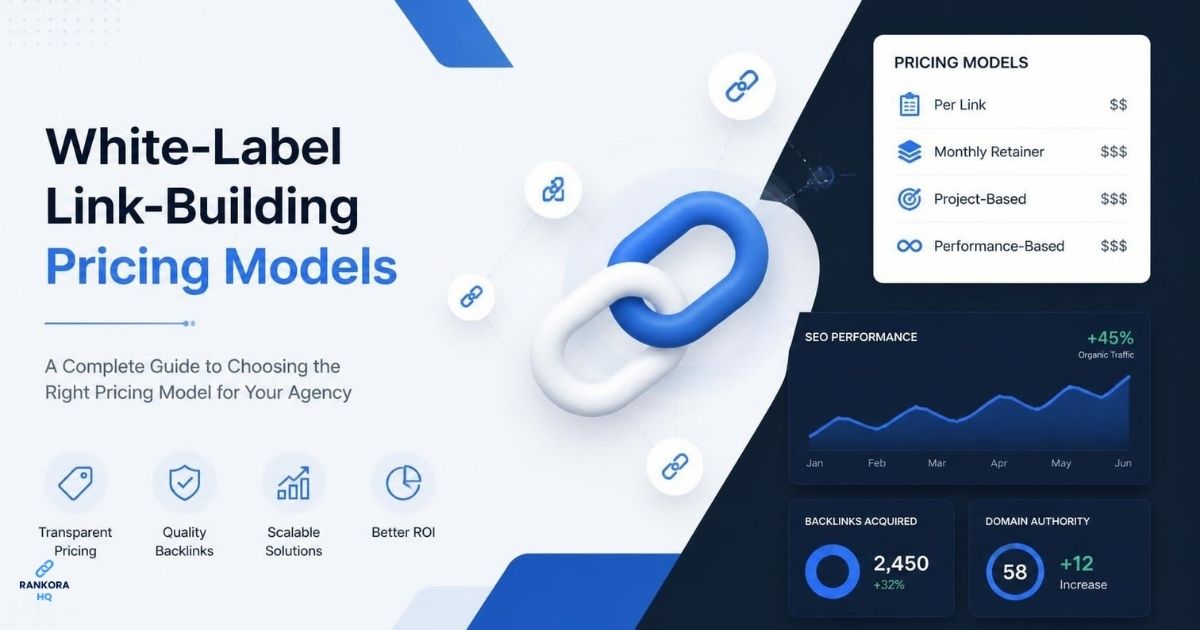
White-label link building pricing can feel confusing when every provider structures costs differently. Some charge per approved placement, some work on monthly retainers, and others build custom campaign pricing around niche difficulty, publisher quality, content needs, and reporting.
In this guide, I’ll explain how white label link building pricing works from an agency point of view. You’ll learn the main pricing models, what affects white label link building pricing, and how to compare providers without choosing the cheapest option blindly.
What Is White Label Link Building Pricing?
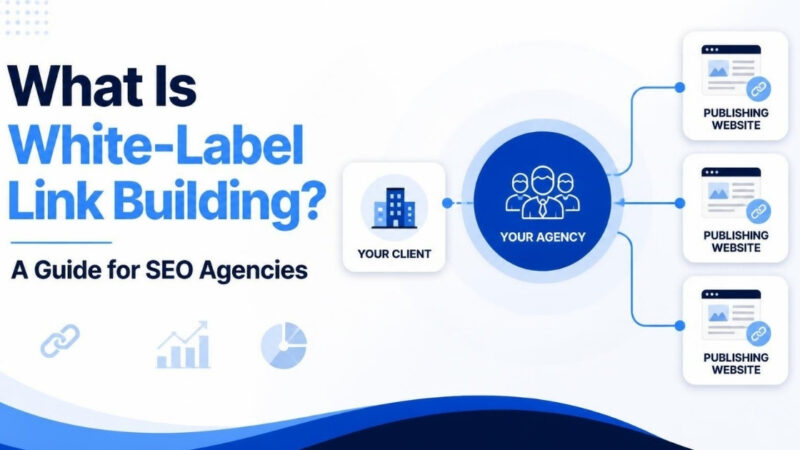
White label link building pricing is the cost an agency pays a fulfillment partner to build links under the agency’s brand. The client usually sees the agency’s name, report, and communication, while the provider handles research, outreach, content, placement, and delivery in the background.
For agencies, this pricing is not only about buying backlinks. It also covers the time, process, quality control, and risk involved in placing links on relevant editorial websites.
Simple Definition for SEO Agencies
In simple terms, white label pricing is the wholesale cost behind your client-facing link-building service.
You pay the provider for fulfillment. Then you package that work for your client with your own strategy, communication, and reporting. This lets your agency offer link building without hiring a full outreach team.
How White-Label Pricing Differs From Direct Client Pricing
Direct client pricing usually includes sales, strategy calls, account management, and client education. White-label pricing is different because the agency handles most of that front-end relationship.
That is why outsourced link building pricing often focuses more on delivery. The provider prices the actual work needed to secure approved placements, write content, manage outreach, and prepare reports.
Why Pricing Should Be Judged by Value, Not Only Link Count
A cheaper link is not always a better deal. A placement can look affordable but still waste budget if the site has weak relevance, low traffic, poor editorial standards, or no real audience.
Why White-Label Link-Building Prices Vary So Much
White-label link-building prices vary because every campaign has different quality, relevance, content, outreach, and approval requirements. Two links can look similar on a report, but the work behind them can be completely different.
Publisher Quality and Real Organic Traffic
Publisher quality has a major impact on link building costs. A real editorial website with organic traffic, active content, and clear niche relevance usually requires more effort to secure.
Topical Relevance and Niche Difficulty
Topical relevance can change pricing because some niches are harder to place than others. A simple lifestyle placement is not the same as a finance, legal, SaaS, or healthcare placement.
Outreach Effort, Approval Workflow, and Turnaround Time
Outreach difficulty also affects outsourced link building pricing. Some campaigns need many publisher conversations before one good placement becomes available.
Approval workflows can also add time. If the agency or client wants to review sites, topics, anchors, and content before publishing, the process becomes more controlled but also more involved.
Content Quality, Edits, and Editorial Standards
Content requirements can raise or reduce costs. A basic placement with simple content needs less work than an article that requires research, editing, formatting, and strict editorial review.
Per-Placement Pricing: Paying for Each Approved Link
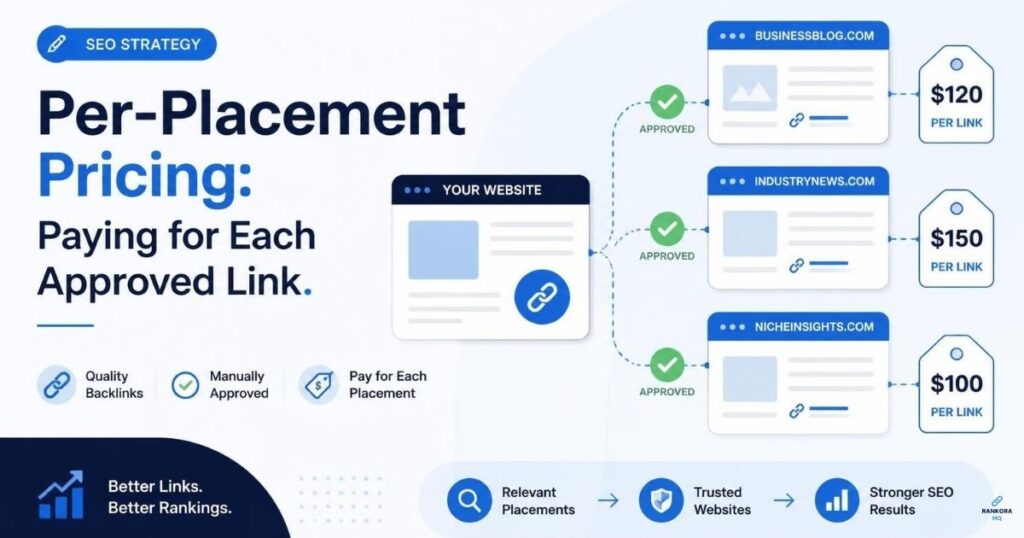
Per-placement pricing means the agency pays for each approved backlink or published placement. This model gives agencies clear control because they can review each opportunity before moving forward.
For many SEO agencies, this is the easiest way to understand white label link building pricing. You know what you are paying for, where the link goes live, and what the final deliverable looks like.
How Per-Placement Pricing Works
The provider finds a relevant publisher, confirms the placement opportunity, prepares or supports the content, and delivers the live link after approval.
Some providers ask for approval before publishing. That is the safer option because the agency can check site quality, niche fit, anchor text, and content direction first.
When This Model Fits Agencies Best
Per-placement pricing works well when an agency wants flexible link volume. You can order a few links for one client or increase volume when a campaign needs more authority.
It also helps when clients have different budgets. You can build a custom plan instead of forcing every client into the same monthly package.
Pros and Limits of Per-Link Pricing
The biggest benefit is control. Agencies can see each placement and decide whether it fits the campaign.
The limit is predictability. If outreach takes longer or strong publishers are harder to secure, delivery may not feel as steady as a monthly retainer.
What Agencies Should Confirm Before Approving a Placement
Before approving a placement, check the publisher’s relevance, organic traffic, content quality, outbound links, and editorial standards.
Also confirm the link type, anchor text, target URL, turnaround time, and reporting format. These small checks protect your margin and your client relationship.
Monthly Retainer Pricing: Paying for Ongoing Fulfillment
Monthly retainer pricing means the agency pays a fixed recurring fee for ongoing link-building work. This model usually covers planning, outreach, content coordination, placement delivery, and reporting.
For agencies with active SEO clients, retainers can make link building easier to manage. They create a steady workflow instead of treating every link as a separate order.
How Retainer-Based Link Building Works
In a retainer model, the provider commits to a monthly scope. That scope may include a target number of placements, outreach hours, content support, reporting, or campaign management.
The exact setup depends on the provider. Some retainers focus only on delivery, while others include strategy, publisher research, and account support.
Why Retainers Help With Consistency and Planning
Retainers help agencies plan client campaigns with more confidence. You can forecast work, set monthly goals, and keep link acquisition steady.
This model also saves time. Instead of starting from zero each month, the provider already understands the client’s niche, targets, and approval preferences.
What Should Be Included in a Monthly Retainer
A clear retainer should explain what the agency gets each month. It should define link targets, content responsibilities, approval steps, reporting, communication, and turnaround expectations.
Agencies should also ask what happens if placements are delayed. A good provider explains the process clearly instead of hiding behind vague promises.
Common Retainer Risks Agencies Should Avoid
The biggest risk is paying for activity without clear deliverables. Outreach alone does not help if it does not lead to relevant, approved placements.
Agencies should also avoid retainers with unclear reporting, weak publisher standards, or no approval control. A retainer should make fulfillment easier, not harder to explain to clients.
Hybrid Pricing: Combining Fixed Support With Placement-Based Costs
Hybrid pricing combines a fixed monthly fee with per-placement costs. The agency pays for ongoing support, then pays separately for each approved link or placement.
This model can work well when an agency needs structure but still wants control over final placements. It gives both sides a clearer workflow without locking everything into one fixed package.
How Hybrid Pricing Models Work
In a hybrid model, the fixed fee may cover strategy, prospecting, outreach setup, campaign management, or reporting.
The placement fee applies when a link goes live or when the agency approves a publisher. This keeps delivery tied to actual outcomes while still supporting the work required behind the scenes.
Why Agencies Use Hybrid Models for Scaling Campaigns
Agencies use hybrid pricing when they manage several clients or need regular link-building support. It helps them avoid starting each campaign from scratch.
The provider can keep outreach moving, build publisher options, and manage reporting. The agency can then approve placements based on client goals and budget.
When Hybrid Pricing Gives Better Control
Hybrid pricing gives better control when campaigns need flexibility. For example, one client may need niche edits, while another may need guest posts on more selective publishers.
This model lets the agency adjust placement volume without changing the whole agreement. It also makes it easier to manage different client budgets under one fulfillment setup.
What to Track Before Choosing This Model
Before choosing hybrid pricing, agencies should track what the fixed fee includes and what counts as an extra cost.
They should also confirm approval steps, link quality standards, content responsibilities, reporting details, and refund or replacement terms. A hybrid model only works when both pricing layers are clear.
Custom or Campaign-Based Pricing for Complex Projects
Custom pricing is used when a campaign does not fit a simple per-placement, retainer, or hybrid model. The provider prices the work based on the campaign goal, niche difficulty, content needs, publisher requirements, and delivery process.
This model is common when agencies need more control. It works best for campaigns where quality, relevance, and approval steps matter more than fixed link volume.
When Standard Pricing Does Not Fit
Standard pricing may not work for difficult niches, large campaigns, strict client requirements, or unusual target pages.
For example, a SaaS client may need links from highly relevant tech publishers. A local business may need region-specific placements. Both campaigns need different research, outreach, and content planning.
Pricing Based on Niche, Market, Volume, and Goals
Custom pricing depends on what the campaign is trying to achieve. A campaign built for topical authority may need different publishers than a campaign built around one competitive money page.
Volume also matters. Larger campaigns may need more outreach planning, more content production, and stronger reporting. That changes the real workload behind the price.
How Custom Campaigns Support SaaS, YMYL, and Competitive Niches
SaaS, legal, finance, healthcare, and other sensitive niches often need more careful publisher selection. The content must also meet higher quality standards.
In these cases, cheap or random placements can damage trust. A custom campaign helps the agency focus on relevance, editorial quality, and safer approval control.
Why Approval and Reporting Matter More in Custom Campaigns
Custom campaigns need clear approval steps. Agencies should review publisher options, anchor text, target URLs, content topics, and final reports before anything goes live.
Reporting also matters because clients usually expect more detail. A strong report should show what was placed, where it was placed, why it fits the campaign, and how it supports the client’s SEO goals.
Main Backlink Pricing Factors Agencies Should Understand
Backlink pricing factors usually come down to quality, relevance, effort, and risk. A link is not priced only by the website metric. The full cost depends on what it takes to secure the right placement safely.
Agencies should understand these factors before comparing providers. It helps them explain link building costs to clients without making pricing sound random.
Publisher Quality
Publisher quality is one of the biggest pricing factors. Strong publishers usually have real traffic, clean content, active pages, and stricter editorial rules.
A site with high metrics but weak content is not automatically valuable. Agencies should check the full picture before approving any placement.
Topical Relevance
Topical relevance shows how closely the publisher matches the client’s niche. A relevant link usually carries more value than a random high-metric placement.
Content Requirements
Some placements need fresh content. Others may require edits, formatting, sources, or a full guest post.
The more content work involved, the more the campaign may cost. Good content protects the agency’s brand and makes the placement look natural.
Outreach Difficulty
Some publishers respond quickly. Others need several follow-ups, negotiations, topic changes, or editorial checks.
Difficult outreach takes more time. That extra effort often affects outsourced link building pricing.
Turnaround Time
Fast turnaround can change pricing because urgent campaigns need faster research, outreach, writing, and approval.
Agencies should be careful with rushed timelines. Speed is useful, but it should not reduce publisher quality or content standards.
Link Type
Different link types have different workloads. Guest posts, niche edits, resource links, and editorial placements do not require the same process.
A niche edit may need less content work, while a guest post may need a full article. The link type should match the client’s goal, not just the budget.
Campaign Volume
Higher volume can change pricing because the provider needs more publishers, more content, and stronger campaign tracking.
Volume may create efficiency, but it should not lower quality. Agencies should avoid packages that promise too many links without clear relevance checks.
Reporting and Account Management
Reporting and account management also affect reseller pricing. Agencies need clear records they can share with clients under their own brand.
A useful report should include the live URL, target URL, anchor text, publisher details, and placement notes. Better reporting saves time and protects client communication.
Agency Markup, Reseller Pricing, and Client Margins
Agency markup is the difference between what the agency pays the white-label provider and what the client pays the agency. This markup should not only cover the link itself. It should also cover strategy, communication, project management, and quality control.
Good reseller pricing gives the agency enough margin to serve the client properly. If the margin is too thin, the agency may struggle to manage expectations, review placements, and handle reporting with care.
How Agency Link-Building Markup Works
An agency usually buys link-building fulfillment at a provider cost. Then it adds a markup before presenting the service to the client.
That markup becomes part of the agency’s revenue. It helps cover client calls, campaign planning, reporting, revisions, and the risk of managing the relationship.
Why Markup Should Cover Strategy, Communication, and Risk
Clients are not only paying for links. They are paying for guidance, campaign direction, and a reliable process.
The agency must explain why certain links matter, approve the right placements, and protect the client from poor decisions. That work deserves margin.
How to Explain Outsourced Link-Building Pricing to Clients
Agencies should explain pricing in terms of outcomes and process, not only link count.
A simple way to frame it is: the client pays for publisher research, outreach, content coordination, placement quality, approval control, and reporting. This makes the price easier to understand.
Mistakes Agencies Make When Pricing Client Packages
One common mistake is selling links too cheaply to win the client. That usually creates pressure later.
Another mistake is hiding the process. If clients do not understand what affects link building costs, they may compare your service against low-quality offers. Clear explanation protects both trust and margin.
Cheapest Option vs. Best-Value Option
The cheapest link-building option is not always the smartest option. A low price can look attractive, but it may come with weak publishers, poor relevance, thin content, or unclear reporting.
The best-value option gives the agency a safer balance of quality, control, and margin. It should help the client’s SEO campaign without creating extra risk for the agency.
Why Cheap Links Can Create Expensive Problems
Cheap links often save money at the start but create problems later. They may come from websites with poor content, no real traffic, or unnatural outbound link patterns.
If the client questions the quality, the agency has to explain the placement. That can cost more time, trust, and reputation than the link was worth.
How to Compare Value Without Relying on Market Price Ranges
Agencies should compare value by looking at what is included in the process. Check publisher quality, topical relevance, content standards, approval control, turnaround time, and reporting.
This is better than chasing a fixed market price. Every campaign has different needs, so the real question is whether the provider can deliver links that fit the client’s goals.
Questions to Ask Before Comparing Providers
Before comparing providers, ask clear questions about the process.
Can you review publishers before publishing? Are the sites relevant to the client’s niche? Who writes the content? What reporting is included? What happens if a placement gets rejected or removed?
These questions reveal more than a price list. They show how the provider handles quality and accountability.
How Agencies Should Budget Link Building Safely
Agencies should build a link budget around client goals, competition level, content needs, and expected campaign pace.
A safe budget leaves room for quality control, reporting, and agency margin. It also avoids overpromising results based only on link volume. Good budgeting helps agencies sell link building with more confidence and less risk.
Frequently Asked Questions
What is white label link building pricing?
White label link building pricing is the cost an agency pays a provider to handle link-building fulfillment under the agency’s brand.
What pricing model is best for SEO agencies?
The best model depends on the agency’s workflow. Per-placement works well for control, while retainers or hybrid models work better for steady monthly campaigns.
Why do link-building costs change from campaign to campaign?
Link building costs change because publisher quality, niche difficulty, content needs, outreach effort, turnaround time, and reporting requirements are not always the same.
Is per-placement pricing better than a monthly retainer?
Per-placement pricing gives more control over each link. A monthly retainer gives better consistency when an agency needs ongoing fulfillment.
How much markup should an agency add to outsourced link building?
Agency markup should cover more than the link cost. It should include strategy, client communication, reporting, quality review, and campaign risk.
What should agencies check before choosing a white-label provider?
Agencies should check publisher quality, topical relevance, approval control, content standards, reporting format, and replacement terms.
How should agencies budget for link building without overpaying?
Agencies should budget around client goals, niche difficulty, link quality, campaign pace, and their own margin instead of choosing the lowest provider.
Conclusion
White-label link-building pricing becomes easier to understand when you look beyond the final link cost. Per-placement, retainer, hybrid, and custom pricing models all work in different situations.
The right choice depends on your agency’s clients, campaign goals, niche difficulty, approval needs, and margin. In my experience, agencies get better results when they compare process, relevance, publisher quality, content standards, and reporting before price.
If you want a clearer fulfillment process, review our white-label link-building workflow at /how-it-works/ before choosing a pricing model for your next client campaign.
Author Bio
Author: Muhammad Awais
Title: Founder, Rankora HQ
Muhammad Awais is the founder of Rankora HQ, a white-label editorial content placement service based in Salalah, Oman. He helps SEO agencies and brands build topical authority through high-quality publishing partnerships on DR 40-90 editorial sites.
LinkedIn: linkedin.com/in/muhammad-awais-seo-outreach